United States (USA) (English / USD)

June 12, 2024
Best Practices for Monitoring IAQ
The role of environmental monitoring should be highly appreciated in both environmental safety and social well-being. Undeniably the entrance of Internet of Things (IoT) technology has changed our lives a lot. Not convinced? IoT devices typically have sensors and are programmed for specific applications; they can also transmit data over the internet or other networks. So, even your robotic vacuum cleaner is an IoT device. And let's be honest—it has changed your routine, hasn't it?
Even more so, the prospects of environmental monitoring by providing advanced data collection and analysis technologies for real-time decision-making can change our well-being. Through use of IoT sensors, networks and data analytics, organizations obtain precise and real-time environmental parameters like air quality, temperature, humidity, and pollution levels with more efficiency and scalability as compared to historical methods.
Best Practices for Monitoring IAQ
Set parameters to monitor
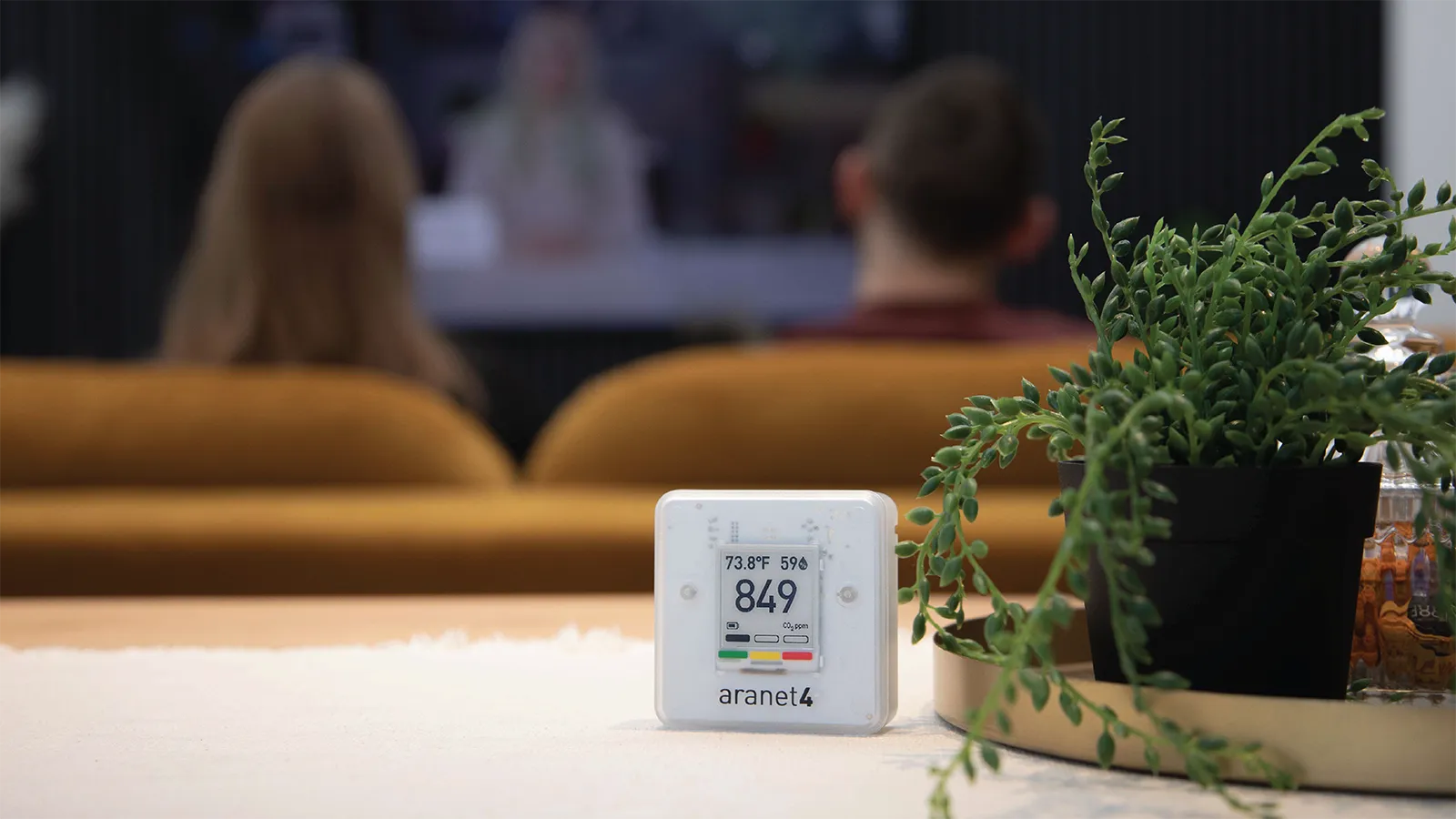
Before deploying IoT sensors, you must define the environmental parameters you need to monitor. For instance, if you have problems with mold, you definitely have to monitor air humidity and temperature. CO2 concentration is an important parameter for productivity, sleep quality, and other aspects of life. The Aranet4 IAQ sensor measures temperature, humidity, carbon dioxide (CO2) concentration, and atmospheric air pressure.
Selecting High Quality Sensors
The Aranet sensors meet accuracy standards and lab graded precision. This typically implies that the measurements are precise, reliable, and consistent. To learn more about accuracy you can watch this video.
Location
Aranet4 isn't just valuable at home. It's designed to be portable, accompanying you throughout your day. Whether you're at the office, school, stores or any indoor setting. This portability ensures that you can monitor and stay aware of the air you breathe, promoting a healthier and more comfortable environment regardless of your location.
Placement
An ideal location for CO2 concentration sensor is near human breathing zone. For instance, in a bedroom, the sensor could be placed on a nightstand, at the level of the bed.
Ensure sensors have access to free airflow and avoid locating them behind furniture or in corners. Consider things like windows, doors, and HVAC ducts because they may introduce quickly environmental conditions which may affect sensor accuracy. Avoid placing the sensor in high-humidity areas, such as on top of a fish tank or in a bathroom.
Keep sensors away from direct sunlight to prevent damage of the E-Ink display and ensure accurate measurements.
Continuous Monitoring and data browsing
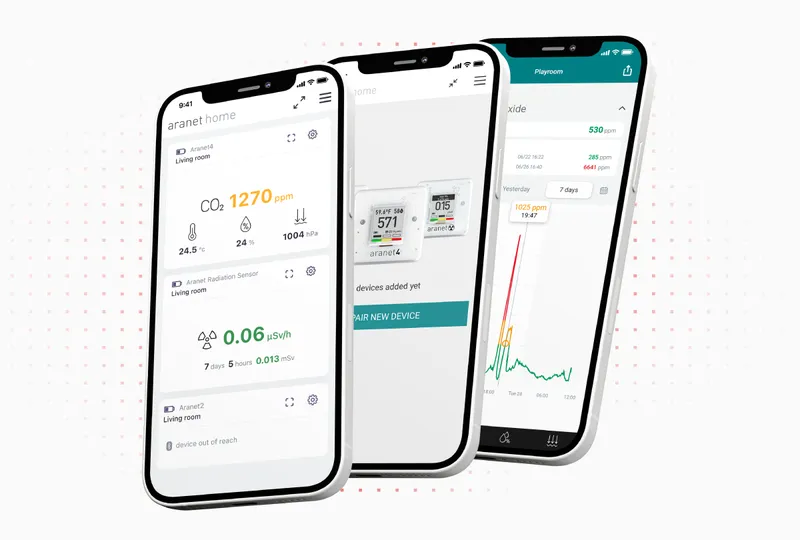
It’s important to store measurement data. Only by analyzing historical patterns can you make better decisions for the future. For example, if you notice that CO2 concentration usually reaches unhealthy levels at a specific hour during the night, you could set automatic ventilation to activate at that time. Aranet provides access to historical data through the Aranet Home mobile application. The app enables real-time monitoring of indoor air quality parameters while within the reach of a Bluetooth signal. Users can view current readings of your Aranet devices, directly on their smartphone or tablet. The app also stores historical data for up to 90 days.
Alerts and Notifications
Establish alarms, and notifications about IAQ parameters that exceed the preset requirements or imply the possibility of IAQ issues. Aranet sensor alarms are based on scientific recommendations. However, you can change the warning thresholds via Aranet Home app for your personal use.
Regular Maintenance and Calibration
Schedule maintenance and calibration of IAQ sensors to facilitate precise and aligned monitoring. Follow a timely update routine in manufacturer recommendations for the sensor calibration interval and cleaning procedures to ensure the best outcome.
Educational Outreach
Provide education and awareness programs about IAQ and its importance for health and productivity. Promote IAQ best practices such as proper ventilation, minimizing pollutant sources, and maintaining indoor cleanliness.