United States (USA) (English / USD)


September 25, 2024
Can air quality affect your life expectancy?
We’ve previously discussed the significance of air quality, particularly indoor air quality (IAQ), for our health, well-being, and productivity. But did you know that ensuring healthy IAQ through proper ventilation can also have a long-term impact?
Since we’re exposed to air quality daily, it contributes to the cumulative effect our environment can have on life expectancy. Let’s delve into how this happens, identify the most dangerous air pollutants, and discover measures to hopefully enhance our well-being.
The respiratory system: the frontline against poor IAQ
The most direct way poor IAQ affects our health, both short and long-term, is through our respiratory system. Long-term exposure to pollutants has been linked to decreased lung capacity and increased susceptibility to respiratory infections. Furthermore, individuals in environments with persistently poor IAQ are at a higher risk of developing severe respiratory diseases, which can shorten lifespan.
Conditions such as asthma, chronic obstructive pulmonary disease (COPD), and other lung conditions are often worsened by indoor pollutants. Fine particulate matter (PM2.5), volatile organic compounds (VOCs), and biological contaminants like mold can cause inflammation and impair lung function, thus increasing the risk of serious respiratory illness.
Cardiovascular health and air quality
Ambient air quality often influences IAQ, particularly if proper HVAC systems are not in place. The cardiovascular system, which includes the heart, blood vessels, and blood, is closely connected to the respiratory system and can suffer serious effects from poor air quality.
Long-term exposure to PM2.5 and nitrogen oxides, even at levels close to air quality standards, can prematurely age blood vessels and contribute to buildup in coronary arteries. This increases the risk of having a stroke or a heart attack. A recent decade-long study emphasizes air quality monitoring as a crucial step to protect our heart health and avoid these potentially devastating consequences.
Immune defense and air quality
The negative impact of poor IAQ and ambient pollution extends beyond the respiratory and cardiovascular systems to our immune system. Exposure to air pollutants like smoke, dust, gasses, or chemical particles can lead to excessive production of reactive oxygen species (ROS), causing inflammation and DNA damage, which then further harms the immune system and related organs.
This damage weakens our immune cells and lymph nodes associated with the lungs, making us more susceptible to disease, especially as we age and these effects accumulate.
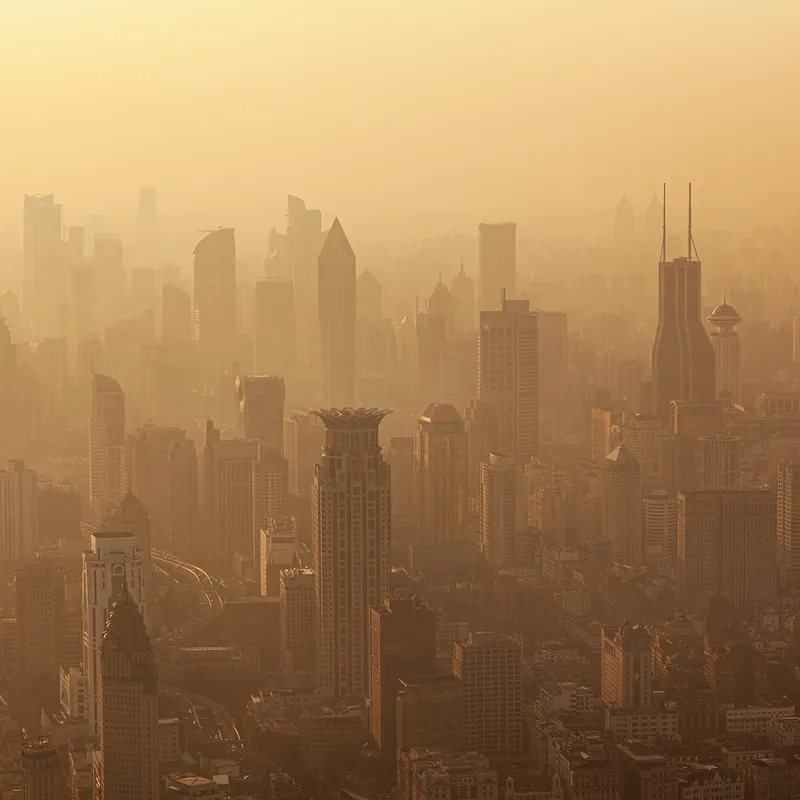
Cancer risk and air pollution
While air pollution’s link to cancer is complex, it’s a factor that cannot be ignored. Industrial emissions, referred to as “air toxics,” significantly increase risk for those living nearby. Interactive tools, like maps in the U.S., can help residents assess their local air quality risks. You can access more information about tracking outdoor air quality in a previous blog post.
Cancer Research UK suggests that the cancer risk from air pollution is relatively small but not insignificant. The Union for International Cancer Control (UICC) notes that air-pollution-related mortality is higher in low- and middle-income countries. Occupational exposure, gender, and age also influence risk levels.
In higher-income countries, lifestyle choices like not smoking, keeping a healthy weight, staying safe in the sun, and cutting down on alcohol play the most substantial role in cancer prevention. However, maintaining high IAQ is crucial, especially for lung cancer prevention.
Breathing easy for a longer life
Poor air quality, both indoors and outdoors, has a profound impact on overall quality of life. Addressing IAQ and outdoor air quality is essential for maintaining good health and potentially increasing life expectancy. We suggest starting to act on this by following some simple steps on how to keep the air fresh
Staying informed about the air quality in your area and taking proactive measures to protect yourself and your loved ones can help too. By prioritizing air quality, we can enhance our quality of life and contribute to a healthier future for all.
