India (English)

May 08, 2025
How Climate Change Affects Indoor Air Quality in Canada
Canada has long been known for having some of the cleanest air in the world. But as climate change accelerates and wildfire smoke becomes more common, air quality – including indoor air quality (IAQ) – is facing new challenges. In 2023, during an unprecedented wildfire season, Canada’s air quality fell below that of the United States. And while wildfire smoke is a major factor, it’s not the only one. How is climate change affecting indoor air quality in Canada, and what can we learn from this growing risk?
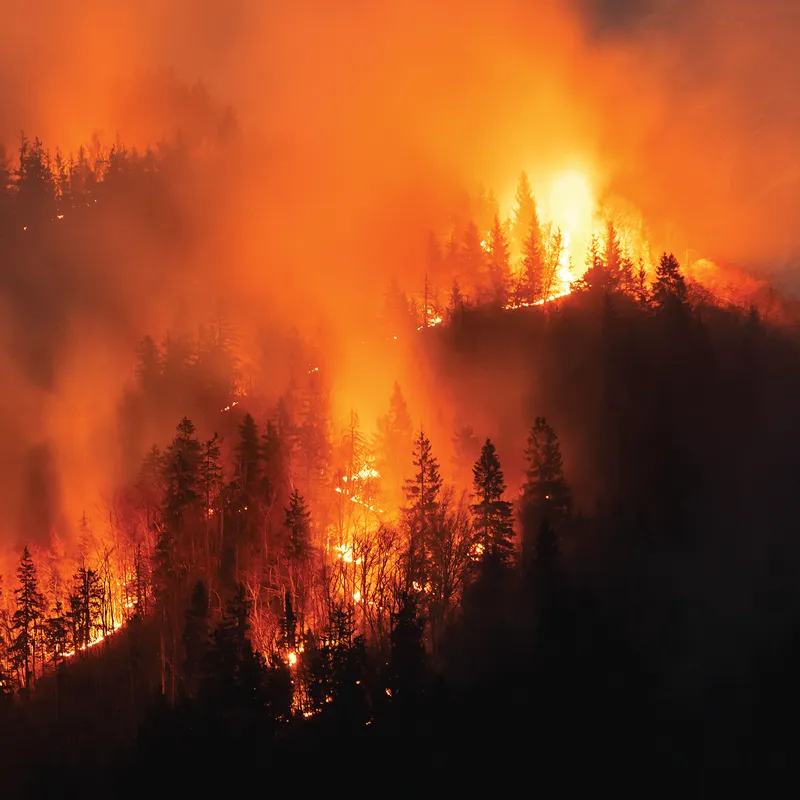
Wildfires and their impact on indoor air quality in Canada
According to the Canadian Climate Institute, climate change is making wildfires in Canada more frequent, intense, and widespread. In 2023 alone, 16.5 million hectares burned – more than double the previous record and over six times the historical average. Canada is even starting to see “zombie fires” or “overwintering fires” that smolder through the winter and reignite in spring.
So, what does this mean for air quality, both outdoors and indoors? Nothing good. Wildfire smoke can travel thousands of kilometers, putting millions of people at risk. These hot-burning fires release dangerous levels of particulate matter (PM10 and PM2.5) and volatile organic compounds (VOCs), as well as nitrogen oxides (NOx) and carbon monoxide (CO). The health risks are serious for everyone, but especially for vulnerable groups like children, seniors, pregnant people, and outdoor workers.
Because IAQ is closely linked to outdoor air, especially in buildings that rely on natural ventilation, it’s important to prepare ahead of time. That means strengthening your ventilation systems, monitoring air quality, and learning how to manage indoor air during pollution events.
The bottom line? Natural ventilation alone isn’t enough when outdoor air is polluted. To protect your health, you need to upgrade your HVAC system, track both outdoor air quality indexes and indoor IAQ levels (like CO2), use protective masks when needed, and ventilate strategically.
How floods in Canada affect indoor air quality
Climate change is also causing more frequent and severe floods in Canada, creating hidden risks for indoor air quality and home health, the Canadian Government reports. Two in 10 homes across Canada are at risk from flooding – often without homeowners even realizing it. Some of the most destructive floods in Canadian history occurred between 2010 and 2020, and this trend is expected to continue.
What does flooding in Canada have to do with indoor air quality? Quite a lot, actually. Heavier rainfall and flooding bring more moisture indoors, raising the risk of mold – a serious threat to air quality, buildings, and people’s health. Mold can trigger allergies and respiratory issues, especially in those with asthma or preexisting conditions.
The best way to prevent mold after flooding is to dry out and restore your home as quickly as possible. On a daily basis, the key is to keep indoor humidity under control – ideally between 30% and 50%. This also helps reduce dust mites, which thrive in damp conditions and pose additional health risks.
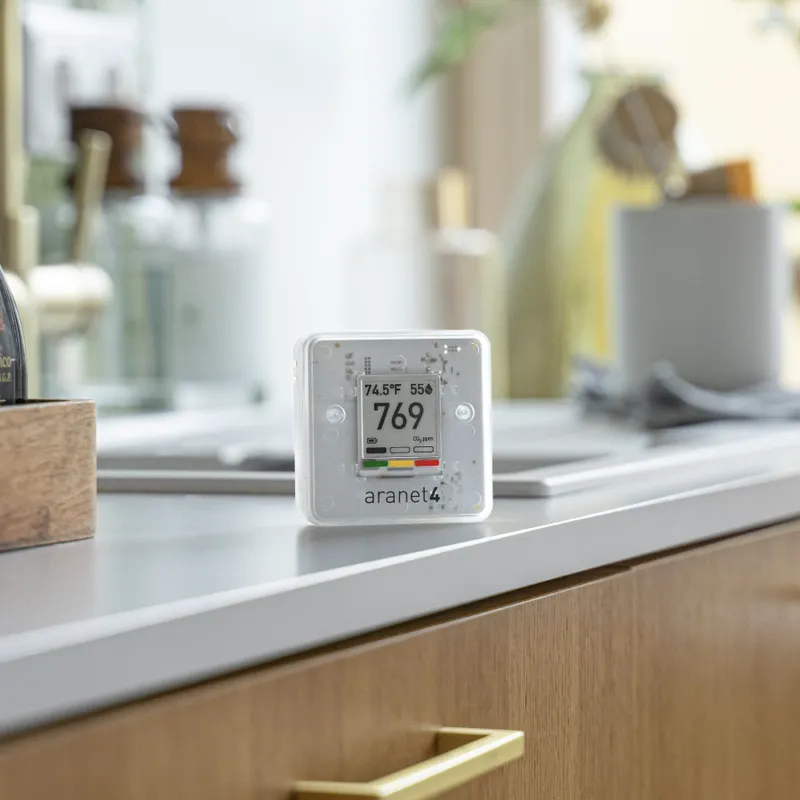
Since our bodies aren’t great at sensing unhealthy moisture levels, it’s smart to use an indoor air quality monitor like the Aranet2 HOME or Aranet4 HOME to track humidity and spot problem areas where mold could form.
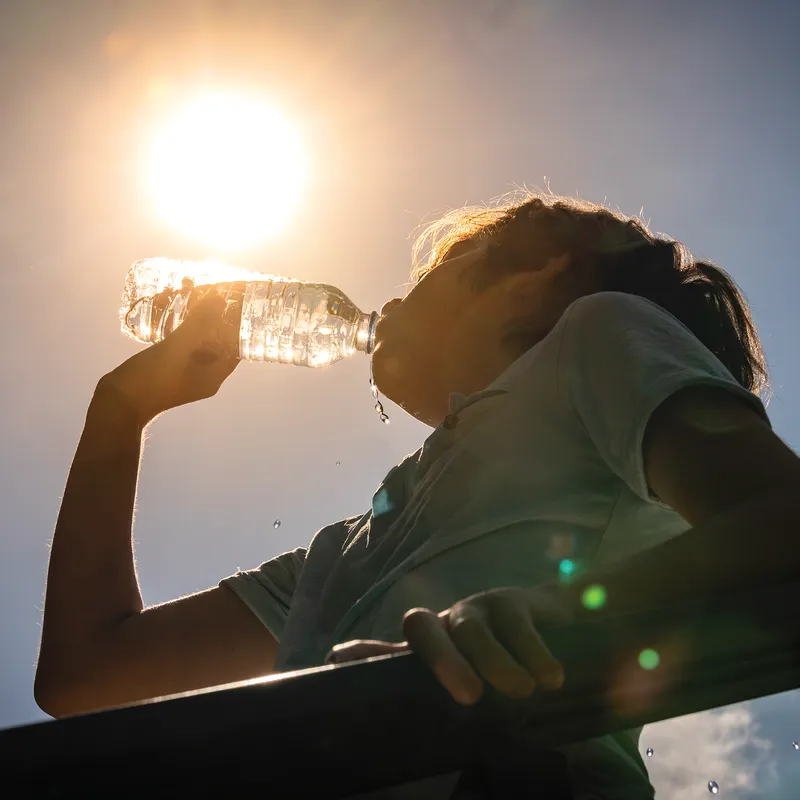
Extreme heat events in Canada and indoor air quality risks
Extreme heat events and heatwaves are becoming a growing concern for air quality and health in Canada, alongside many other regions around the world. These events involve not just high temperatures, but often elevated moisture levels as well. According to the Canadian Climate Institute, even areas with typically mild climates, such as Vancouver, Whitehorse, and Halifax, are experiencing more extreme heat.
Extreme heat can be especially dangerous for individuals with underlying conditions like cardiovascular disease, diabetes, mental health issues, and asthma. It can also increase the risk of accidents and the spread of infectious diseases, the World Health Organization warns. Heatstrokes, where the body loses its ability to cool itself, are often fatal.
But the dangers don’t stop there. High temperatures also worsen air quality. Heat increases the severity of issues like droughts and wildfires. It also speeds up the breakdown of organic waste, releasing pollutants and greenhouse gases into the air. Additionally, warmer temperatures boost chemical reactions that create ground-level ozone, adding to both short-term and long-term health risks, as the World Resources Institute explains.
When preparing for extreme heat, it’s important to plan ahead. Government resources offer valuable guidance, including steps like staying informed through weather forecasts, maintaining air-conditioning systems, staying cool and hydrated, and monitoring the health of yourself and your community. From an IAQ perspective, extreme heat highlights the growing importance of tracking air quality indoors to assess the situation and know when to take further action.
Practical IAQ Solutions for Canadian Homeowners
In Canada, where climate change is progressing at roughly twice the global average, increasing the frequency of wildfires, floods, and extreme heat events, maintaining healthy indoor air quality (IAQ) is more important than ever. Here are some practical steps that Canadian homeowners can take to protect their indoor air quality:
- Use an IAQ Monitor
Given the rising risks to indoor air quality in Canada from wildfires, extreme heat, flooding, and humidity, it’s crucial to monitor your indoor air quality. IAQ monitors like the Aranet2 HOME and Aranet4 HOME track CO2 levels, which serve as a useful proxy for overall air quality, along with temperature and humidity. These devices provide real-time readings, helping you stay informed about your indoor environment and take proactive steps to maintain a healthy living space. - Upgrade Your Ventilation System
In many parts of Canada, especially in areas prone to wildfires or extreme heat like British Columbia and the Prairies, outdoor air quality can significantly impact indoor air. Consider upgrading to an energy-efficient HVAC system to maintain good air circulation when outdoor air is compromised. This will help ensure that your home remains a safe and comfortable environment despite changing outdoor conditions. - Control Humidity
Whether you’re dealing with humidity after a flood or high moisture levels in the summer heat, managing indoor humidity is crucial to prevent mold growth and other health risks. Keeping humidity levels between 30% and 50% is best for your well-being. Devices like the Aranet4 HOME can help you monitor and maintain optimal humidity at home.
- Use Filters and Air Purifiers
In regions affected by wildfire smoke or high levels of smog, using high-quality air filters and air purifiers can reduce harmful particulate matter (PM10 and PM2.5) and VOCs. This is especially important during wildfire season in areas like Ontario, Quebec, and the western provinces, where air quality can drop rapidly.
As Canada faces more extreme weather, from wildfire smoke and flooding to dangerous heat, the risks to indoor air quality and home health are rising. But by using practical solutions like high-quality air filtration, upgraded ventilation, regular HVAC maintenance, and an indoor air quality monitor, Canadians can stay ahead of these challenges. With the right tools and awareness, it’s possible to create safer, healthier homes even in a changing climate.