India (English)


January 15, 2025
How to Lower Radon Levels: Essential Tips
Radon is a naturally occurring, colorless, and odorless radioactive gas resulting from the decay of uranium in soil, rock, and water. It can infiltrate homes through cracks in foundations, walls, and gaps around pipes, accumulating to dangerous levels indoors. According to the Environmental Protection Agency (EPA), exposure to elevated radon levels is the second leading cause of lung cancer in the United States, responsible for approximately 21,000 deaths annually. Although lung cancer is usually associated with smoking, non-smokers are also at risk, as radon is the leading cause of lung cancer in this group.
January: National Radon Action Month
January is designated as National Radon Action Month, a time when the U.S. EPA and other health organizations emphasize the importance of radon awareness and testing. This initiative encourages homeowners to test their residences for radon and take necessary actions to mitigate elevated levels, thereby reducing the risk of lung cancer.
Why Test Your Home for Radon?
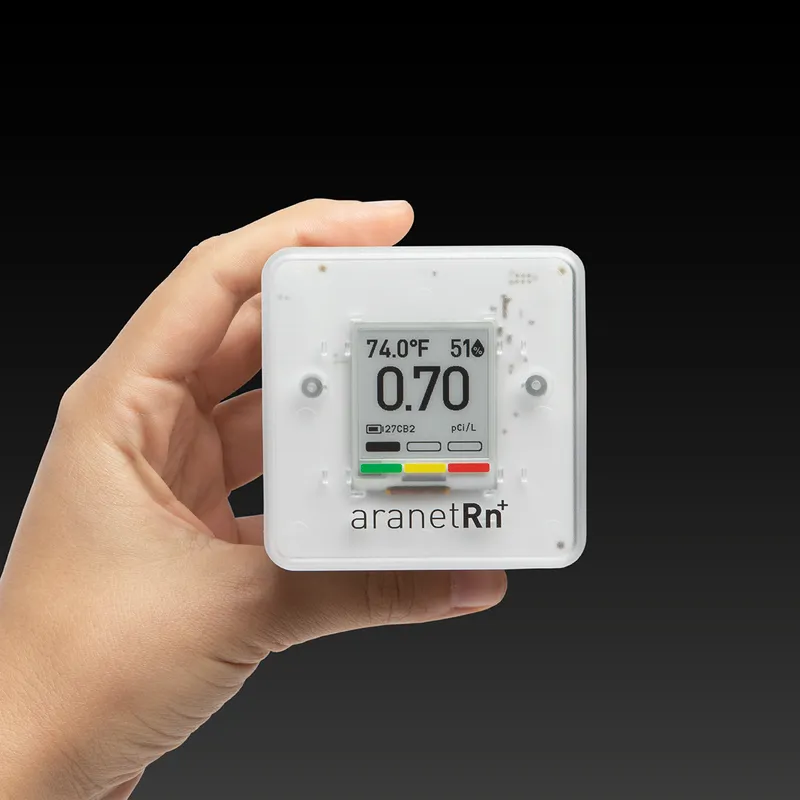
Testing your home is the first step in addressing radon, as it is the only way to know for certain. There are several radon testing options available on the market. Radon test kits are affordable and easy to find; however, they only provide insight into what has happened in your home over a short period of time. And radon levels are anything but static. Given that radon levels fluctuate due to factors like seasonal or weather changes, home modifications, and others, continuous monitoring is essential. Aranet Radon Plus sensor offers real-time measurements, providing daily insights into your home's radon levels. With its user-friendly design and long battery life, it allows homeowners to monitor trends over time and take prompt action if levels rise, ensuring a safer living environment. The EPA recommends fixing your home if radon levels are confirmed to be 4 picocuries per liter (pCi/L) or higher and consider fixing it if radon levels are confirmed to be higher than 2 pCi/L.
How to Lower Radon Levels?
- Seal Cracks and Openings: Inspect your home's foundation, walls, and floors for cracks and openings. Sealing these gaps can help reduce the entry of radon gas. However, sealing alone is not sufficient and should be combined with other mitigation methods.
- Increase Ventilation: Improving the ventilation in your home can help reduce radon levels. This can be achieved by opening windows and using fans to circulate air.
- Install a Radon Mitigation System: Contact radon professionals to install a radon mitigation system.
- Maintain Your Radon Reduction System: Regular maintenance of your radon mitigation system is crucial to ensure it continues to function effectively. This includes checking the system's components and monitoring radon levels periodically.
Take Action This National Radon Action Month
Protecting your family starts with awareness and action. This January, make radon testing and mitigation a priority. Whether you’re conducting your first radon test or investing in continuous monitoring with the Aranet Radon Plus sensor, every step you take helps ensure a healthier and safer home.
Radon may be invisible, but its risks are clear—and preventable. Don’t wait to protect what matters most. Take action today and breathe easier knowing your home is safe.