India (English)


December 28, 2024
Indoor Air Quality and Mental Health: How are they Linked?
Indoor air quality (IAQ) can affect more than just our physical comfort. It plays a role in our mental well-being as well. As we spend significant portions of our lives indoors, understanding how the air we breathe influences our mental health is increasingly important. Let’s see how these factors interact and what steps you can take to ensure healthier indoor environments!
The link between indoor air quality and mental health issues
Mental health is complex, maybe even more so than physical health. Many factors influence our mental well-being, making it hard to identify the impact of each one. Therefore, we must be careful in separating air quality from other environmental and socioeconomic factors.
That being said, research has looked into indoor air quality. While there are still gaps in our knowledge, there’s growing evidence that poor air quality can affect mental health.
According to a review by Cambridge University Press, there are associations between poor air quality, both indoors and outdoors, and poor mental health generally as well as specific mental disorders. The research also suggests that people with existing mental health issues might feel worse with poor air quality, leading to a greater need for healthcare.

How indoor air quality influences mental health
Various factors in indoor air can impact our mental health. These elements, whether they are pollutants or naturally occurring substances, can affect our well-being when present in certain concentrations. Let’s dive a little deeper and dissect the elements of poor IAQ!
Carbon dioxide (CO2): CO2 is a natural gas always present in the air. However, high levels of it can lead to feelings of stuffiness, fatigue, and even anxiety. Poor ventilation in indoor spaces often causes CO2 buildup, affecting cognitive functions and mood. Research has shown that elevated indoor CO2 levels can impair cognitive performance.
Volatile organic compounds (VOCs): These chemicals are released from products like paint, cleaning supplies, and building materials. Studies show that VOCs can harm our neurological health, causing many unpleasant symptoms like headaches, dizziness, impulse control problems, and others. Exposure to VOCs has been linked to an increased prevalence of depression in U.S. adults.
Particulate matter (PM 2.5): Tiny particles in the air, often from dust, smoke, or industrial emissions, can penetrate deep into the lungs. These particles then cause inflammation and have been associated with mood disorders and cognitive decline. Research has also found links between particulate matter exposure and various adverse mental health outcomes like depression and anxiety.
Mold and mildew: Fungi that grow in damp indoor environments can release spores into the air. Exposure to these has been linked to respiratory illness and psychological problems. It is important to note, though, that vulnerability to mold toxicity is only present in 25% of people, meaning it will not create the same issues for everyone. Understandably so, mold and damp environments can also cause anxiety because of mental perceptions when we worry about the physical outcomes.
Carbon monoxide (CO): This colorless, odorless gas is produced by burning fossil fuels. Even low levels of CO can cause fatigue and confusion, while higher levels can be deadly. Chronic exposure is linked to neurological symptoms like memory problems, sleep disorders, and cognitive decline which can further affect mental health. People who recover immediately after exposure may also develop Delayed Neurological Syndrome (DNS), between 2-40 days later. DNS is linked to serious physical symptoms as well as mood changes.
Research suggests that overall mental health problems are especially present with increased concentrations of elements like CO2 or volatile organic compounds (VOCs) in the air we breathe. Prolonged exposure to pollutants, toxins, organic solvents, outdoor pollutants, and indoor chemicals can have a more pronounced negative effect too.
It is also important to note that not everyone reacts to poor IAQ the same way. Since our susceptibility, the overall level of mental and physical health, as well as exposure intensity and time may vary, the effects of poor IAQ can’t always be predicted directly.
What can we do to protect ourselves?
The best way to make sure the air we breathe indoors doesn’t cause issues is good ventilation. Breathing clean air can boost productivity, energy levels, and help us feel better mentally.
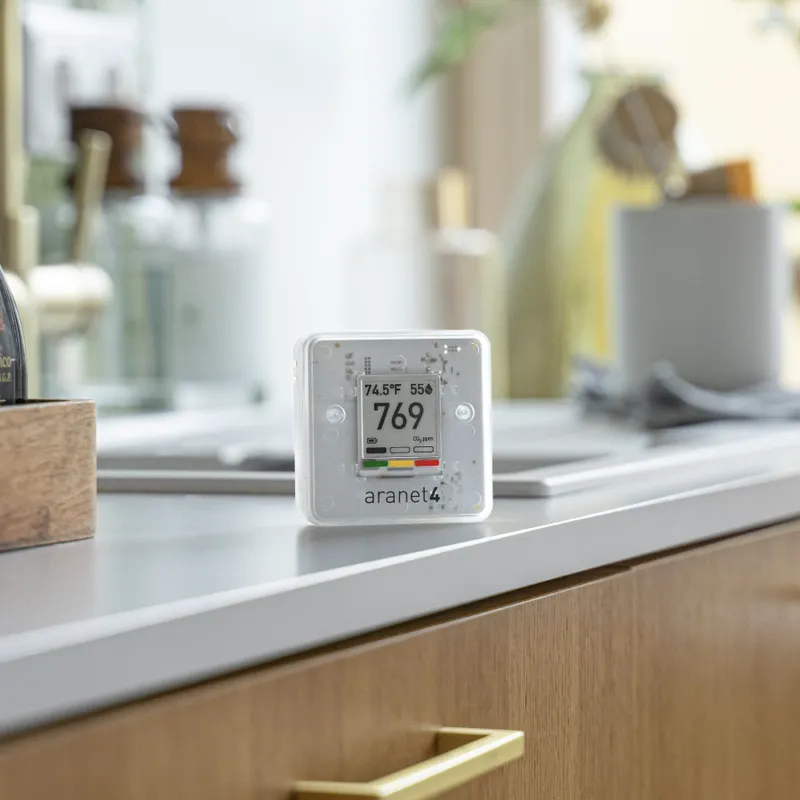
The thing is, we’re often unaware of how good or bad our indoor air quality is. That’s where monitoring comes in handy. Devices like the Aranet4 monitor can measure CO2, temperature, and humidity levels, helping us keep things in check.
Keeping your spaces clean is also important. When you use products like paint or cleaning supplies that can release chemicals (VOCs), it's smart to follow safety guidelines. Regularly maintaining appliances that release gasses, like gas stoves or heaters, is crucial too. And if you've got air purifiers or HVAC systems, remember to keep them maintained—otherwise, they could do more harm than good in the long run.
While these steps can help improve indoor air quality, they may not eliminate all pollutants. It’s important to address the source of the pollution where possible. For example, if a gas stove contributes to poor air quality, consider switching to an electric stove. If mold is a recurring problem, it might be necessary to address underlying issues, like leaks or dampness.
It’s also worth noting that while improving indoor air quality can contribute to better mental health and overall well-being, it’s just one piece of the puzzle. Regular exercise, a balanced diet, sufficient sleep, and stress management techniques are also crucial for maintaining good mental and physical health.