India (English)

April 15, 2025
Managing Indoor Air Quality During Outdoor Air Pollution Events
As you may know, Aranet was born in Latvia – a European country, where lush forests and clean air are part of the landscape. While we’re fortunate to enjoy good outdoor air quality most of the time, we’re not entirely shielded from pollution events. So, after receiving warnings about elevated outdoor pollution levels this spring, we decided to take a closer look at how to keep indoor air clean and protect our health and well-being. If you’ve also found yourself wondering how to stay safe during air pollution events like smog, dust storms, or wildfire smoke, this article is for you.

What is an air pollution event?
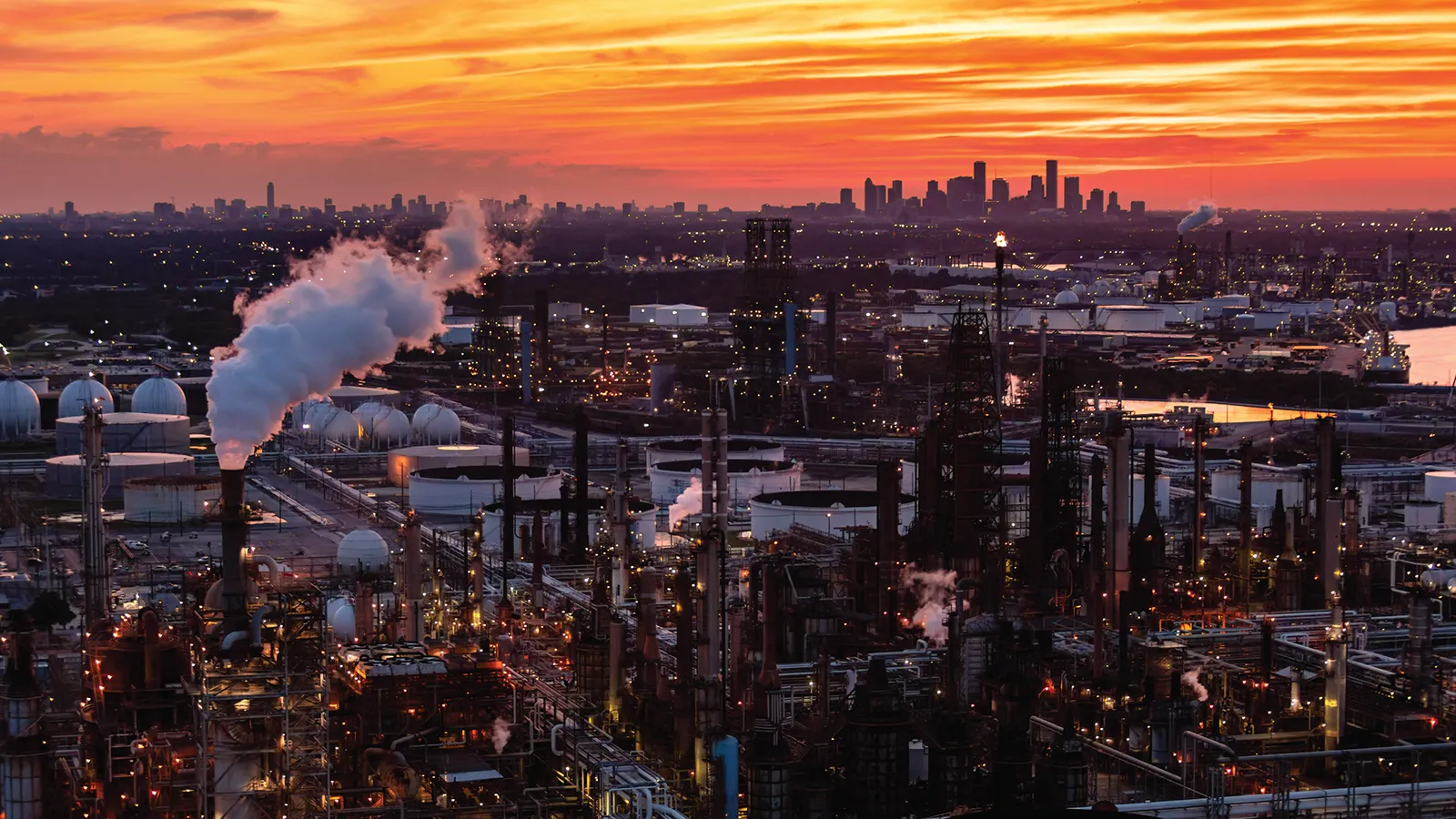
An air pollution event or incident is a specific time in place when air pollution spikes above the levels recommended as healthy or safe by environmental and health agencies. For example, a dust storm, wildfire, volcanic eruption, or industrial emissions can leave a trail of pollutants in the air. These events could last from several hours to several days and are usually identified by local monitoring networks tracking outdoor air quality.
So, what kind of air pollutants are we talking about here and why should you even care? According to the World Health Organization (WHO), pollutants we should be most concerned about are:
- particulate matter (PM10 and PM2.5) from smoke, dust, exhaust fumes, and more,
- carbon monoxide (CO) from sources like fossil-fuel burning vehicles and heaters,
- ground-level ozone (O₃) forming from chemical reactions with other pollutants,
- nitrogen dioxide (NO2) from combustion of fossil fuels and other sources,
- and sulfur dioxide (SO2) from industrial burning of sulfur-containing fossil fuels.
It's important to try to avoid these pollutants both indoors and outside as much as possible because they cause respiratory and other diseases and heighten mortality risks.
A helpful way to follow outdoor air quality levels is to keep an eye on the Air Quality Index (AQI) – a system used globally to warn the public about air pollution events from these key pollutants we just listed. As the American Lung Association (ALA) explains, you can track the AQI by its color or numerical value: the lower the number and the closer the color is to green, the better for your health and wellbeing. You can get a better understanding of the AQI in the table below.
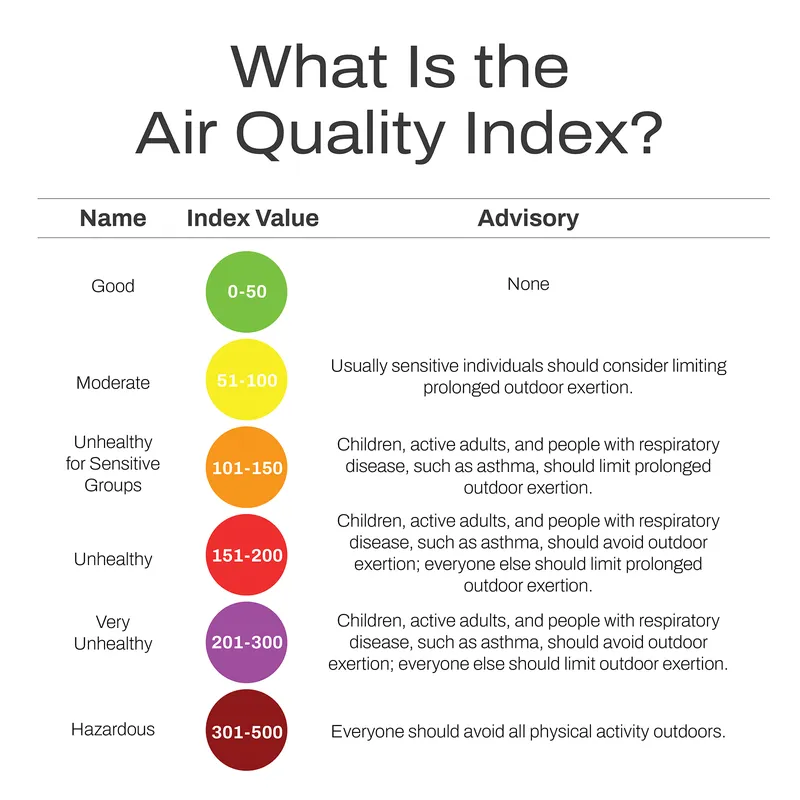
Since general news sources usually report AQI levels year-round, it’s typically enough to follow your daily news sources for warnings about spikes in outdoor air pollution. However, if you want to stay proactive in monitoring this, we suggest gaining a deeper understanding about air quality monitoring and following monitoring sites we’ve discussed previously.
Who is more at risk?
Although air pollution is something to steer clear of for everyone, not every person will be affected the same way. That’s why the Air Quality Index and the health recommendations that go with it are more tailored to specific groups when pollution levels are lower.
The people most at risk of even lower levels of air pollution are children, older people and pregnant individuals and their fetuses, ALA specifies. Those with respiratory, cardiovascular, or other chronic health conditions should also take extra precautions when the AQI is elevated.
There’s also growing awareness of air pollution inequality – the fact that certain groups may face higher exposure or health risks due to factors like income, location, ethnicity, or type of employment.
How to manage indoor air quality during an outdoor air pollution event?
It's important to follow guidance from official health authorities during outdoor air pollution events to determine the best course of action. It’s also a good idea to proactively learn how to protect yourself in case of disasters that impact air quality.
Since outdoor and indoor air quality are closely linked, it’s essential to consider how to keep your indoor air quality healthy when conditions outside deteriorate. If it's safe to stay at home, here are some steps you can take to prevent outdoor pollution from seeping indoors:
- Keep your windows and doors closed – avoid using natural ventilation.
- Consider using a portable air cleaner in the rooms where you spend the most time.
- Use a high-efficiency filter in your HVAC system. The higher the MERV rating your system can handle, the better – ideally MERV 13 or above. Replace filters more frequently during pollution events.
- Set your HVAC system to recirculate air to prevent polluted outdoor air from entering. Don’t forget to switch the setting back to normal once the event has passed, as recirculation isn’t ideal when outdoor air is clean.
- Clean surfaces regularly with a damp mop, and use a vacuum with a HEPA filter if possible, to remove particles that may resettle into the air.
- Avoid indoor sources of air pollution such as candles, smoking or vaping, and scented products during the event.
- Use a well-fitting N95 respirator mask to protect yourself from fine particles (PMs) and smoke if needed.
- Ventilate your home after the air pollution event ends or when air quality improves even briefly.
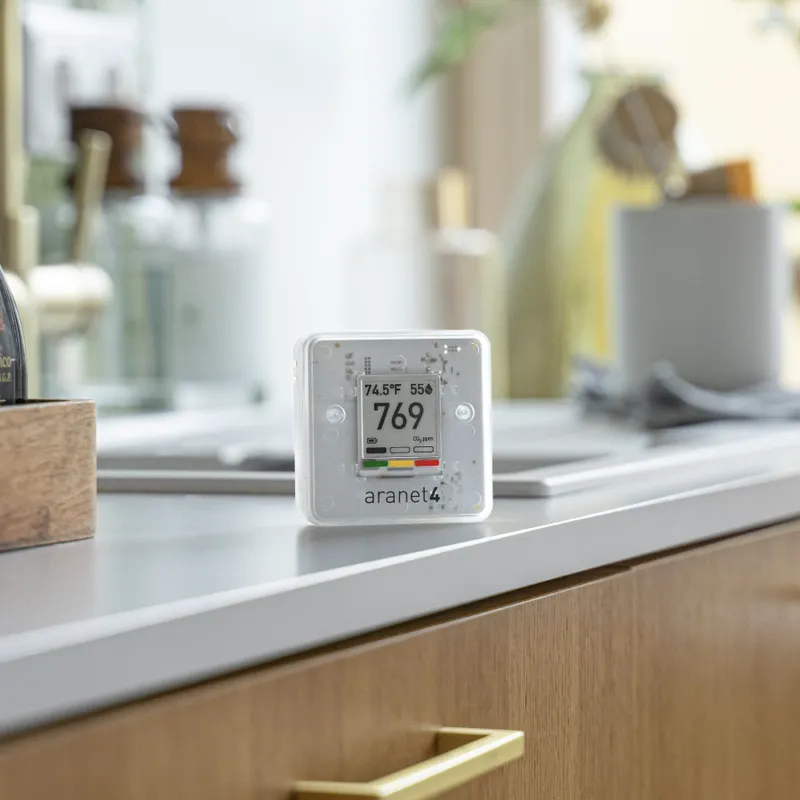
- Use an indoor air quality (IAQ) monitor, such as Aranet4, to track whether your indoor air remains safe. If IAQ stays consistently poor, you notice signs you’re affected by poor indoor air quality, and you’re unable to improve it, consider relocating temporarily.
Staying informed and prepared for air pollution events is becoming increasingly important in our changing world. By understanding the risks, monitoring air quality, and implementing these practical steps to protect your indoor environment, you can safeguard your health and well-being even when outdoor air quality deteriorates.
Remember that air quality management isn’t just about responding to emergencies – it’s about creating healthier indoor spaces year-round. With tools like the Aranet4 monitor and some simple precautions, you can breathe easier knowing you’re taking control of your indoor air quality, no matter what's happening outside.