United States (USA) (English / USD)

October 22, 2024
National Radon Action Week: Taking Control of Your Indoor Air Quality
October’s National Radon Action Week serves as a reminder of the importance of monitoring indoor air quality to protect against radon—a silent, invisible threat. Initiated by the Environmental Protection Agency (EPA), this week-long event aims to raise awareness about radon gas, its health risks, and steps to mitigate exposure. As a naturally occurring radioactive gas that seeps into homes through the ground, radon exposure has become a leading cause of lung cancer, also for non-smokers. Since radon cannot be seen, smelled, or tasted, regular testing and monitoring are the only ways to detect its presence and take preventative action.
Understanding Radon and Its Health Risks
What is radon, and why is it dangerous? Radon is a radioactive gas produced by the natural decay of uranium found in soil, rock, and water. Once it infiltrates a home, it can accumulate in high concentrations, particularly in enclosed spaces like basements. Prolonged exposure to elevated radon levels is linked to an increased risk of lung cancer.
According to EPA, radon is responsible for about 21,000 lung cancer deaths annually in the United States alone. World Health Organization (WHO) also identifies radon as the second leading cause of lung cancer globally, just after smoking.
How does radon cause lung cancer? The health hazard from radon is indirect. As radon gas decays it emits alpha particles and creates the next product of the decay chain. The risk comes from the alpha particles emitted in the lungs and radon progenies that attach to dust or smoke particles, and when inhaled, can damage the cells lining the lungs.
What Are Acceptable Radon Levels?
In the U.S., radon levels are measured in picocuries per liter (pCi/L). EPA has set an action level of 4 pCi/L, meaning homes or buildings with radon concentrations at or above this threshold should undergo mitigation. WHO recommends a lower action level of 2.7 pCi/L or 100 Bq/m3, reflecting the global effort to minimize radon exposure as much as possible. WHO mentions that the risk of lung cancer increases by about 16% per 100 Bq/m3 increase in long time average radon concentration. Even homes with levels below this can benefit from regular ventilation and monitoring to ensure concentrations do not rise over time.
How Is Radon Gas Measured?
Radon is measured using specialized devices such as passive radon test kits or continuous radon monitors. Passive radon detectors are generally left in place for a few days before being sent to a lab for analysis. While these are convenient for short-term assessments, they do not offer real-time updates or long-term trends.
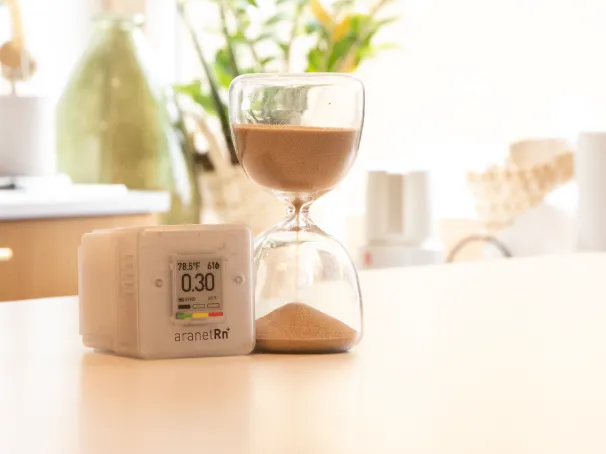
For continuous, real-time monitoring, active radon detectors like Aranet Radon Plus sensor provide a more comprehensive solution. This device measures radon levels every 10 minutes, allowing users to track fluctuations in radon concentration throughout the day and respond promptly to dangerous spikes. This kind of swiftness is handy in maintaining a safe environment, especially given how radon levels can fluctuate with weather changes and building ventilation. Besides, with continuous monitoring, you can track both real-time fluctuations and long-term averages over 24-hour, 7-day, and 30-day periods . Not all active sensors, however, offer the same speed or accuracy, so it's important to do thorough research to find the device that best fits your needs.
Taking Action: How to Reduce Radon in Your Home
The good news is that radon levels can be controlled with simple actions. Improving ventilation is one of the most straightforward ways to reduce radon buildup. Opening windows, using fans, and ensuring proper airflow, especially in basements or crawl spaces, can help dissipate radon.
For more serious cases, radon mitigation systems can be installed. These systems work by pulling radon from beneath the home and releasing it safely outdoors before it enters living spaces. If you're unsure of how to approach mitigation, consulting a certified radon professional is a wise step.
Regular testing is also essential. While short-term tests provide a snapshot of radon levels, long-term monitoring is critical for understanding daily and seasonal fluctuations Aranet Radon Plus Sensor offers homeowners a simple solution by continuously measuring radon concentrations and providing real-time data through its integrated e-ink display. The device's portability and long battery life make it an ideal choice for consistent monitoring, without the hassle of frequent maintenance.
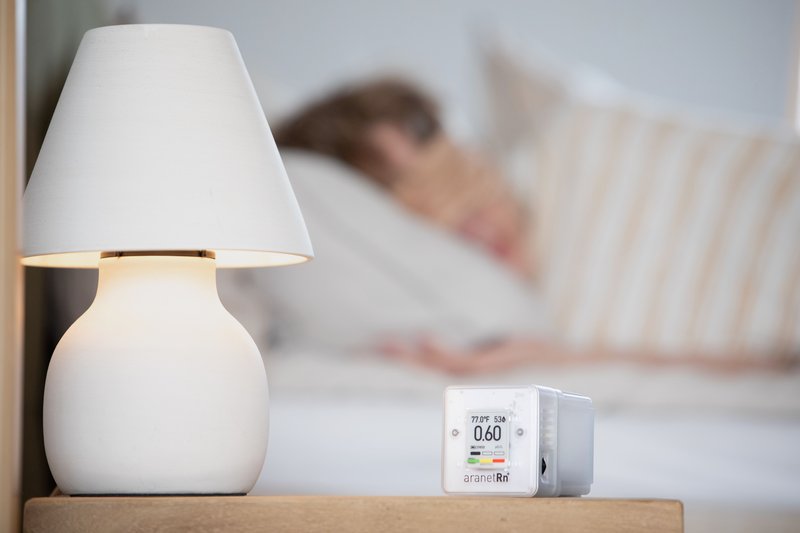
National Radon Action Week is an opportunity to reflect on the health risks associated with radon gas and take concrete steps to protect your home. Whether you're living in a high-radon area or simply want peace of mind, regular radon testing and continuous monitoring are key to ensuring safe indoor air quality.
By taking action today, you can reduce the risks of radon exposure and create a safer, healthier home environment .