India (English)

January 16, 2026
Radon 101: What You Need to Know in 2026
Radon is a radioactive gas you cannot see or smell, but it is one of the most important indoor air quality risks for homeowners in 2026. Health agencies like the U.S. Environmental Protection Agency (EPA) and World Health Organization (WHO) classify radon as a leading cause of lung cancer, yet testing a home is simple and affordable.
What Is Radon Gas and Why Is It in My Home?
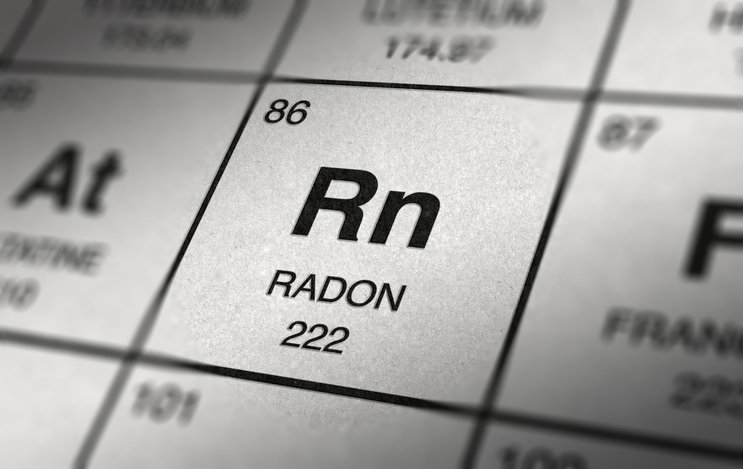
Radon is a naturally occurring radioactive gas created when uranium in soil and rock breaks down and moves up through the ground into buildings. It typically enters homes through cracks in foundations, gaps around pipes, sump pits, and other openings in the lower parts of the building.
Because radon is colourless and odourless, homeowners cannot detect it with their senses and must use a radon test or dedicated radon monitor to know their level. Outdoors, radon usually disperses quickly, but indoors it can build up to high concentrations, especially in basements and ground‑floor rooms that are in direct contact with the soil.
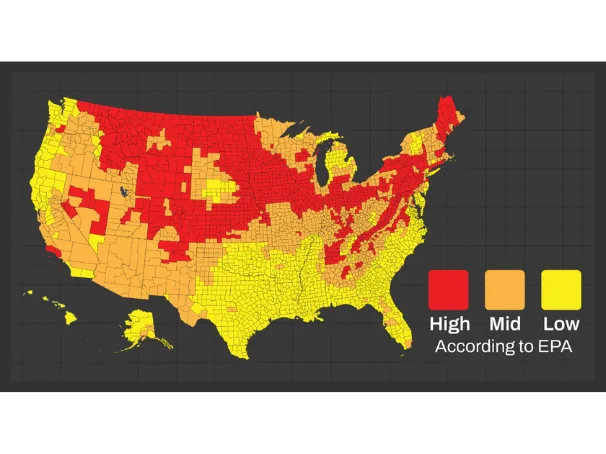
Radon levels can vary dramatically from one house to the next, even on the same street, which is why relying on a “radon map” or the neighbour’s result is not enough for accurate risk assessment.
How Radon Causes Lung Cancer
EPA, WHO and national health authorities all agree that long‑term radon exposure increases the risk of lung cancer. EPA analyses show that radon is the leading cause of lung cancer among non‑smokers in the United States and the second leading cause overall, responsible for thousands of deaths every year.
WHO reports and scientific reviews show a clear dose–response relationship: the higher the long‑term radon concentration in a home, the higher the lung cancer risk. Pooled residential studies and meta‑analyses find that each 100 Bq/m³ increase in long‑term radon is associated with a measurable rise in lung cancer risk, even at levels commonly found in ordinary homes.
Research also shows that smoking and radon together are especially dangerous, with smokers exposed to high radon levels facing a much greater lung cancer risk than non‑smokers at the same radon concentration. For never‑smokers, radon is recognised as a major cause of lung cancer worldwide, which is why public health organisations keep pushing radon awareness.
Radon Safety Levels: What Are the Recommended Limits?
Homeowners searching “what is a safe radon level” usually find two main reference points: EPA’s action level and WHO’s reference level. EPA recommends fixing homes if indoor radon levels are at or above 4 pCi/L (about 148 Bq/m³) and suggests considering mitigation at lower levels as well.
WHO recommends a national reference level of 100 Bq/m³ where possible and states that reference levels should not exceed 300 Bq/m³, based on extensive epidemiological evidence. The International Commission on Radiological Protection (ICRP) and IAEA guidance mirror this by proposing reference levels in the range of 100–300 Bq/m³ for dwellings.
The key takeaway is that there is no completely “risk‑free” radon level, but risk drops as levels go down, and major agencies urge action when levels approach or exceed national reference values.
Why Winter and January Are the Best Time to Test for Radon
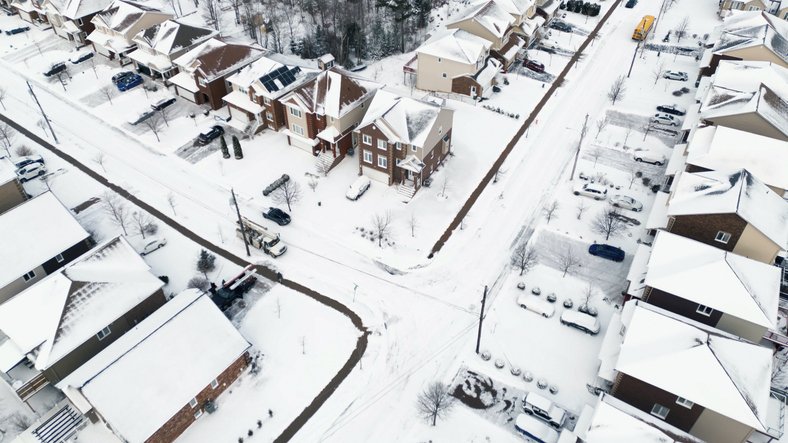
Many people search “when should I test for radon,” and the answer from EPA and Health Canada is clear: the heating season is ideal. EPA guidance and state health departments emphasize that winter is a good time to test because windows and doors are usually closed, which can reveal worst‑case radon levels in a home.
Short‑term tests are typically performed under “closed‑house conditions,” and testing during colder months means those conditions more closely reflect everyday life. CDC’s Radon Awareness Week, usually scheduled in late January within National Radon Action Month, reinforces this by encouraging homeowners to order test kits and use the winter season to assess risk.
Canadian guidance similarly recommends starting tests in the heating season, often from October to April, to capture typical higher radon concentrations before spring ventilation lowers levels.
How to Test Your Home for Radon (And Why Continuous Monitors Help)
EPA’s Citizen’s Guide to Radon and Home Buyer’s and Seller’s Guide to Radon explain that homeowners can choose between passive test kits and electronic radon monitors. Passive tests (like charcoal canisters) are useful for a one‑time snapshot, while modern continuous radon monitors give much richer information about how radon levels change over hours, days and seasons.
In practice this means:
- Use a short‑term test or monitor when you first want to know if radon might be high.
- Follow up with a long‑term measurement to estimate annual exposure, especially if initial results are near or above the action level.
- Consider a continuous radon and IAQ device if you want to see how ventilation habits, weather and building changes affect radon over time and to verify that mitigation stays effective.
EPA and WHO both underline that the most reliable picture of risk comes from measurements taken over time in the rooms where people actually spend many hours, such as bedrooms, living rooms and finished basements.
What to Do If Your Radon Level Is High
If a radon test shows levels at or above your country’s action or reference level, health agencies recommend mitigation rather than ignoring the issue. Common radon mitigation methods include active sub‑slab depressurization systems, sealing major entry routes, improving under‑floor ventilation, and making sure fans and pipework are correctly installed and maintained.
WHO, EPA and ICRP all highlight that well‑designed mitigation systems can reduce radon levels by 50–99 %, often bringing homes well below reference levels. EPA also recommends post‑mitigation testing and periodic retesting to confirm that the system continues to work over time.
For homeowners, it is helpful to think of radon control just like other home‑safety routines: install the solution once, then keep an eye on it with occasional verification measurements.
Why Radon Testing Belongs in Every 2026 Indoor Air Quality Plan
Indoor air quality is becoming a priority for many households, and more people are using smart sensors to monitor CO2, temperature and humidity to understand how “closed” or “fresh” their homes really are. Continuous radon testing complements this by adding the long‑term cancer‑risk perspective and making it easier to see how building upgrades or lifestyle changes affect overall safety.
A practical 2026 checklist:
- Test during radon campaigns like National Radon Action Month (January in the U.S., November in Canada, radon campaigns in Europe).
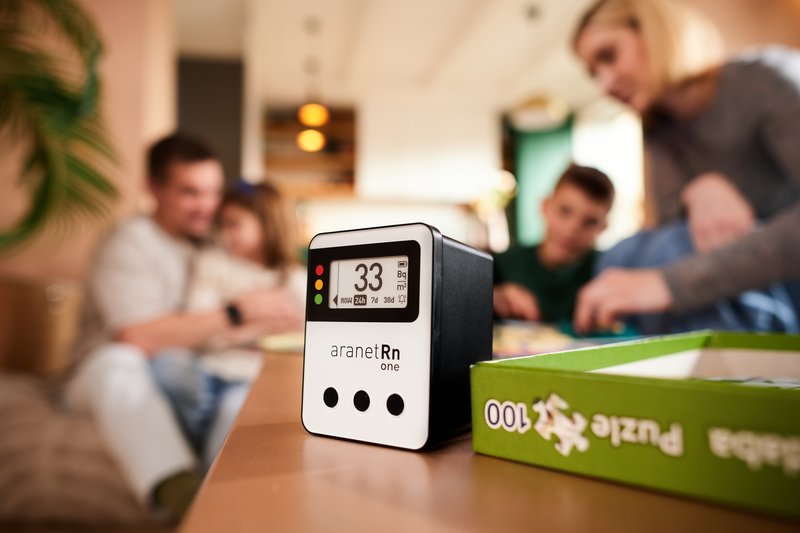
- Use at least one reliable measurement like Aranet Radon One in the lowest lived‑in level, and repeat after major renovations or changes to heating/ventilation.
- Combine long‑term radon measurement with continuous insight into how occupied and “tight” your home is, so you can adjust ventilation and verify that mitigation continues to work well.
Testing and fixing high radon is one of the most effective ways to reduce lung cancer risk at home. For a modern, data‑driven home in 2026, integrating radon measurement into the same airflow and comfort toolkit used for CO2 and ventilation makes indoor health much easier to manage.