India (English)


April 15, 2025
Radon Washout: How Can Rain Affect Radon Levels and Radiation in the Air
Radon is a naturally occurring radioactive gas that originates from the decay of uranium in soil and rocks. It seeps into homes through cracks in foundations, accumulating to levels that can pose serious health risks, including lung cancer (WHO). But did you know that rain can significantly influence radiation levels, and it is all connected to radon? This phenomenon, known as radon washout, occurs when rain collects radioactive radon decay products from the atmosphere and deposits them onto the ground (EPA). In this article, we’ll explore how radon washout works, its implications for indoor air quality, and how you can protect yourself.
How Does Radon Washout Happen?
When radon gas escapes from the ground, it rises into the atmosphere and decays into radioactive particles known as radon daughters or progeny, such as lead-214 (Pb-214) and bismuth-214 (Bi-214).
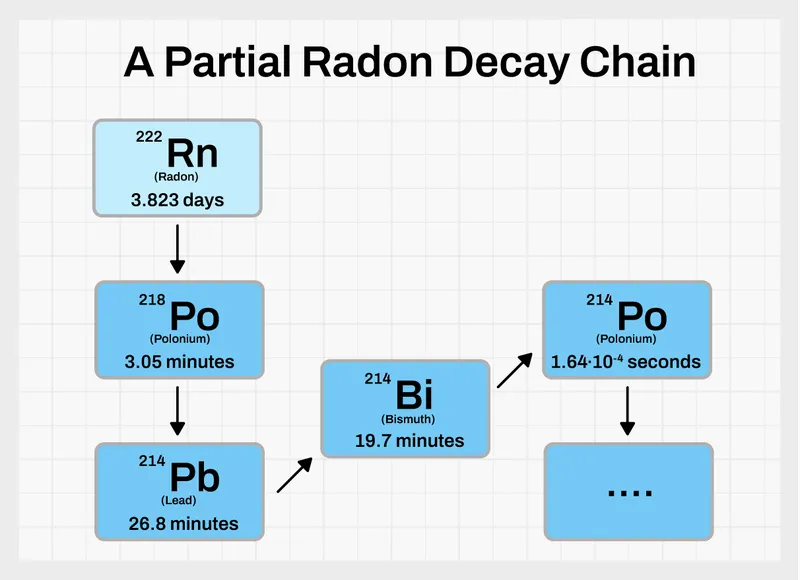
These decay products can attach to airborne dust and moisture particles. During rainfall, these particles are captured by raindrops and carried to the ground. This process can temporarily increase radiation levels at the surface, especially in areas with high radon emissions from the soil.
After the rain stops, the radon daughters on surfaces gradually decay or disperse, and radiation levels return to normal. Studies show that gamma radiation spikes are commonly observed after heavy rainfall, correlating with the washout of radon progeny (Study on Rain-Induced Radiation Spikes).
Effects of Radon Washout on Indoor and Outdoor Air
- Increased Outdoor Gamma Radiation
Radon washout can lead to a short-term rise in outdoor gamma radiation levels. The presence of lead-214, a gamma emitter, in rainwater can be detected with radiation monitoring equipment, showing clear spikes in gamma radiation levels during and shortly after rainfall. However, these increases are temporary and diminish as the radioactive particles decay or are washed away.
2. Potential Increase in Indoor Radon Levels
While radon washout mainly affects outdoor air, it can indirectly influence indoor radon concentrations. After heavy rain, radon gas trapped in the soil may become more pressurized due to water saturation, forcing more radon into basements and crawl spaces. This can result in elevated indoor radon levels, especially in homes with poor ventilation or without a radon mitigation system.
How to Manage Radon Exposure After Rainfall
- Use a Reliable Radon Sensor – Continuous monitoring is key to detecting changes in radon levels. Aranet Radon Sensor provides accurate, real-time radon measurements, helping you understand trends in your indoor environment.
- Check for Rising Indoor Radon Levels – After heavy rainfall, test your home’s radon levels to ensure they remain within safe limits. If levels exceed 4 pCi/L (picocuries per liter), the EPA recommends taking action.
- Improve Home Ventilation – Increasing airflow in basements and crawl spaces can help prevent radon buildup. Use dehumidifiers and ventilation fans to reduce radon accumulation.
- Consider a Radon Mitigation System – If your home consistently has high radon levels, installing a radon mitigation system can effectively reduce exposure. These systems work by venting radon gas from the soil before it enters your home.
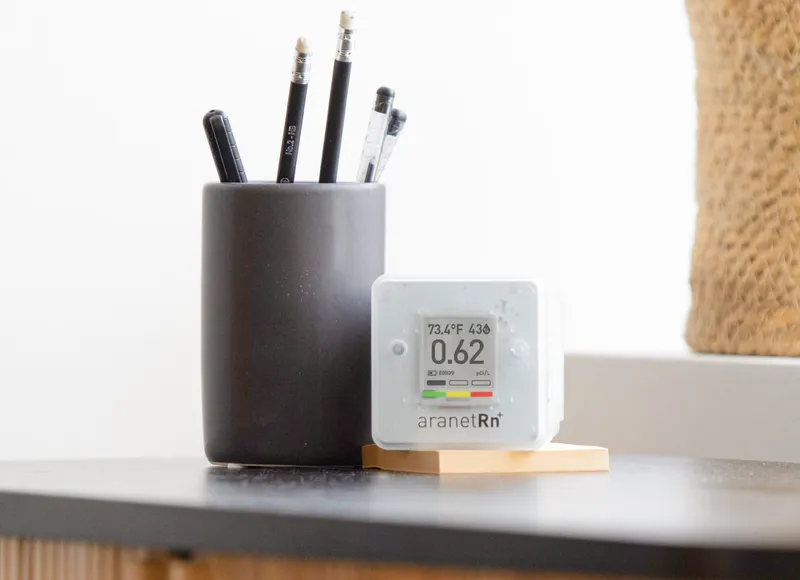
Rain can temporarily increase radiation levels due to radon washout, but this effect is short-lived. By continuously monitoring indoor radon levels with Aranet Radon Sensor, homeowners can stay informed and take action if needed. Understanding radon’s behavior and implementing radon mitigation systems can help ensure a safer indoor environment.