United States (USA) (English / USD)

September 05, 2024
The Fascinating World of Radioactive Items: What You Need to Know
Radiation is all around us - an invisible force of nature that has fascinated scientists for decades. From the moment Marie Curie discovered radium to the modern-day applications of nuclear energy, radiation has played a pivotal role in shaping our understanding of the universe. But radiation isn’t just something that exists in distant stars or nuclear reactors; it’s present in our everyday lives, sometimes in the most unexpected places.
What Is Radiation?
Radiation refers to the emission of energy as electromagnetic waves or subatomic particles. This energy can travel through space and penetrate various materials, depending on its type and intensity. While some forms of radiation, like visible light and radio waves, are harmless, others, such as nuclear radiation, can be dangerous to living organisms if not properly managed.
Historically, our understanding of radiation began with pioneering scientists like Henri Becquerel, who first discovered natural radioactivity in 1896, and Marie Curie, who furthered this research and won two Nobel Prizes for her work in chemistry and physics. Today, we know that radiation comes in various forms and can originate from both natural and man-made sources. Read more about what ionizing radiation is and how to protect yourself in this blog post.
Radiation in Nature
Believe it or not, radiation is a natural part of our environment. The Earth itself emits radiation, known as terrestrial radiation, due to the decay of naturally occurring radioactive materials like uranium, thorium, and radon in the soil. Additionally, cosmic radiation from the sun and other celestial bodies bombards our planet continuously.
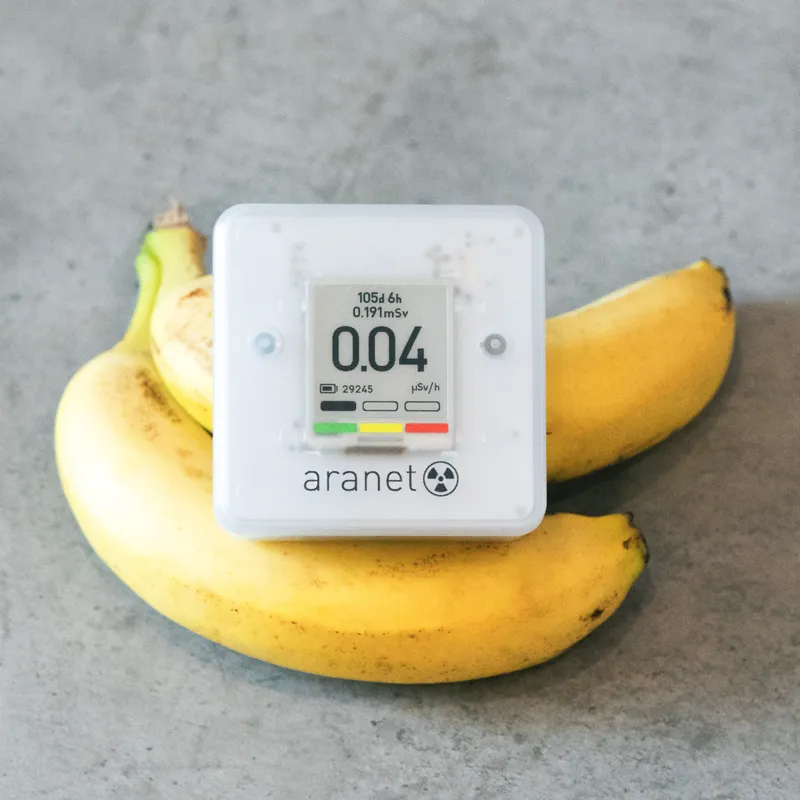
Another surprising source of natural radiation is found in the foods we eat. Bananas, for instance, contain potassium - 40, a naturally occurring radioactive isotope. While the radiation levels in a banana are minuscule and pose no health risk, it's a fun example of how radiation is part of everyday life. Phil Cook also proved in a recent collaboration video that bananas are not dangerously radioactive.
Curious Radioactive Items
Radiation can also be found in some unexpected consumer products. For instance, certain vintage items like glow-in-the-dark watches, clocks, and even ceramics were made using radium or thorium, which are radioactive. These items, once considered innovative, now serve as fascinating relics of a time when the dangers of radiation were not fully understood.
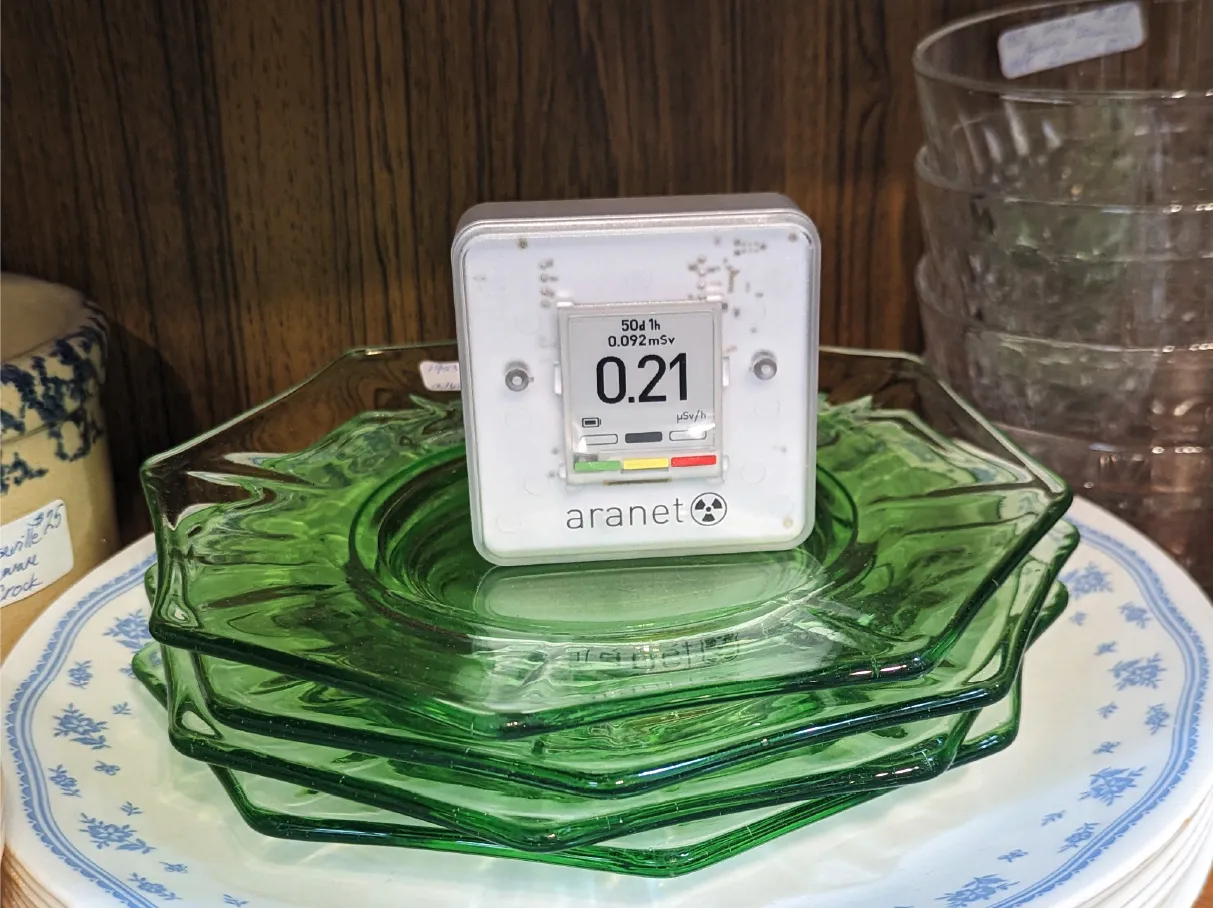
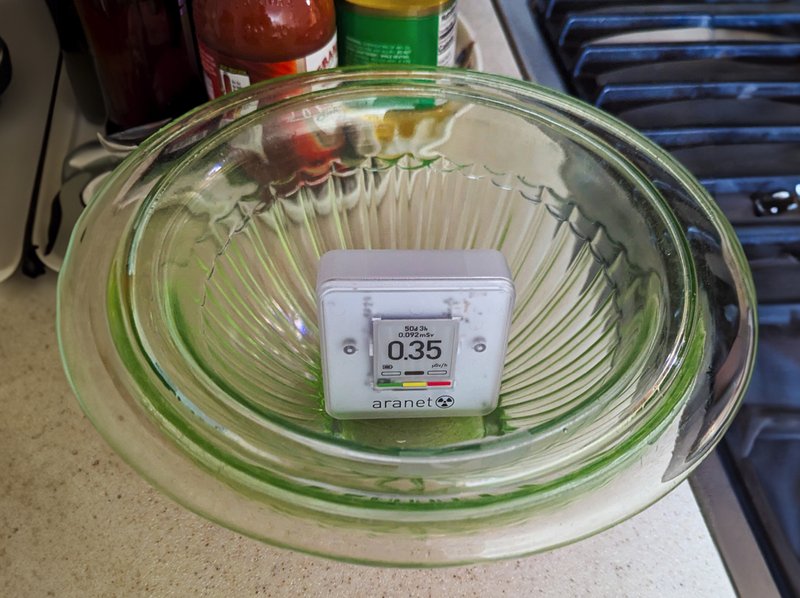
One particularly interesting case involves uranium glass, also known as Vaseline glass, which has a distinctive green or yellow hue and glows bright green under ultraviolet light. Despite its radioactive nature, the radiation emitted by these glass items is generally low and considered safe for handling. More examples of unexpected radioactive objects can be found in Health Physics Historical Instrumentation Museum Collection.
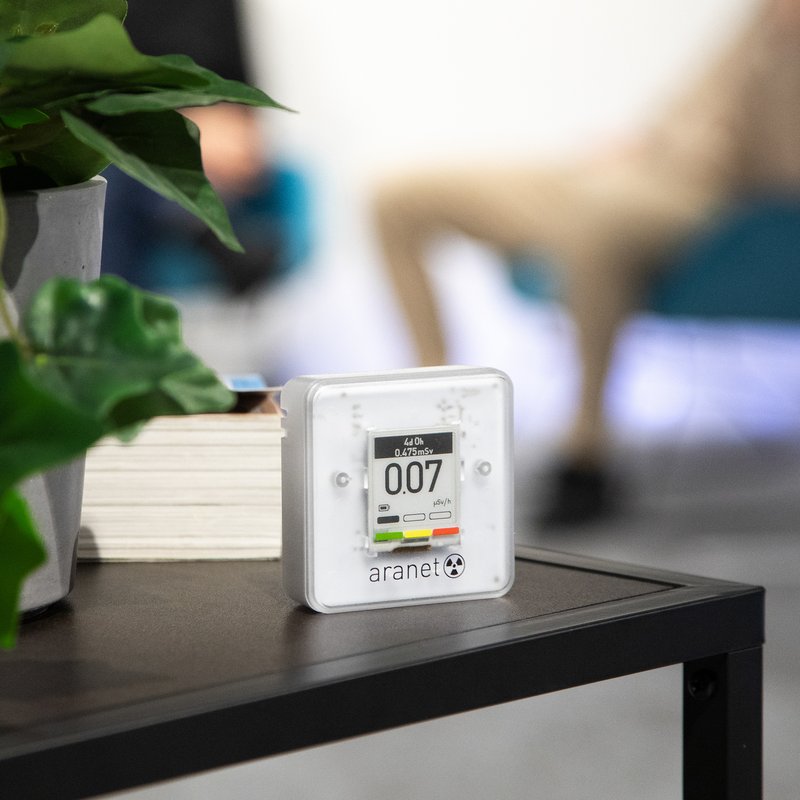
If you want to be sure about the radiation levels in your antique collection, a Geiger counter or other radiation detector can be a handy tool.
In another collaboration Molly Edwards, PhD measured radiation levels for vintage uranium glass with Aranet Radiation Home sensor. This practical demonstration highlights how modern technology allows us to interact with and study radioactive materials safely.
Embracing the Power of Knowledge
Radiation is a powerful force, and while it can be dangerous, understanding it allows us to harness its potential while mitigating risks. From the natural radiation that permeates our environment to the curious radioactive items in our homes, being aware of the sources and levels of radiation around us is the first step toward safety.
Whether you’re a collector of vintage uranium glass or someone working in a radiation-prone environment, tools like the Aranet Radiation Home sensor provide the knowledge and assurance needed to navigate the invisible world of radiation safely. So next time you come across glowing green glass or an antique radium watch, remember these objects' fascinating history and science - and don’t forget to measure that radiation!