India (English)


May 30, 2024
Tips on how to celebrate Clean Air Month meaningfully
Did you know that May is recognized as Clean Air Month? Participating in raising the importance of this issue, we wanted to provide you with ways to be a part of it. From quick-and-easy actions for those short on time to more significant changes for those ready to dive deeper, there's something for everyone here. Join us as we navigate the spectrum of options available, empowering you to make a difference in the air quality around you at your own pace.
What is Clean Air Month and when is it celebrated?
Clean Air Month, introduced by the American Lung Association in May 1972, aims to raise awareness about air quality and disease prevention. Originally starting as a week-long event, it expanded to a month-long observance in 1994.
Why May? It coincides with the onset of the summer smog season in many parts of the world, making it a crucial time to highlight the importance of clean air. The goal is to educate individuals about the impact of air pollutants and the role of clean air in maintaining a healthy life.
Clean Air Month emphasizes actions we can take to reduce our carbon footprint and improve air quality. While primarily observed in the United States, its principles are globally relevant, reminding us of the importance of clean air for a sustainable future.
How to celebrate Clean Air Month?
Clean Air Month is an opportunity to focus on improving the air quality around us. You can start by identifying which aspects of air quality impact your health or lifestyle the most. Consider factors such as allergens, pollutants, or humidity levels in your home, and outdoor pollution levels in your community.
Clean air indoors and outdoors significantly affects our well-being, so addressing both areas is crucial. Use this month to evaluate and tackle these aspects. If you don’t have any good ideas yet, we got you covered. Feel free to choose from our suggestions below to participate in Clean Air Month meaningfully.
If you only have a moment
For those short on time, here are some quick and easy actions you can take to contribute to cleaner air and better health for you and your loved ones.
- Download an air quality index app: Track real-time air quality data in your area or travel destinations by downloading apps like AirNow or IQAir on your smartphone or bookmarking these websites on your PC:
aqicn.org/map
iqair.com/ca/air-quality-map
map.purpleair.com
- Read an article about indoor air quality (IAQ): Since most people spend about 90% of their time indoors, understanding IAQ is crucial. Start with the basics by understanding what is indoor air quality, debunk common air quality myths, or learn about the link between productivity and CO2 levels at the workplace.
From there, you’ll probably get an idea of what else you should educate yourself about to reach one step closer to becoming a clean air champion. - Educational activities for children: If you have kids, spend some time exploring the EPA’s Air Quality Activity Book. It's a fun and educational way to teach them about the importance of clean air.
As health and environmental awareness develop from childhood, it's crucial to involve kids in understanding these concepts, preparing them to contribute to maintaining clean and healthy air, as well as a sustainable environment for the future.
If you want to make structural changes
For those ready to make more significant changes, here are some actions that can have a lasting impact on air quality. Implementing these can enhance your health and lifestyle while also benefiting the environment. By adopting these practices, you can help create a healthier community and inspire others to do the same.
- Reduce your carbon footprint: This includes using public transportation, carpooling, biking, or walking instead of driving alone. Which of these could you adopt in your daily routine long-term?
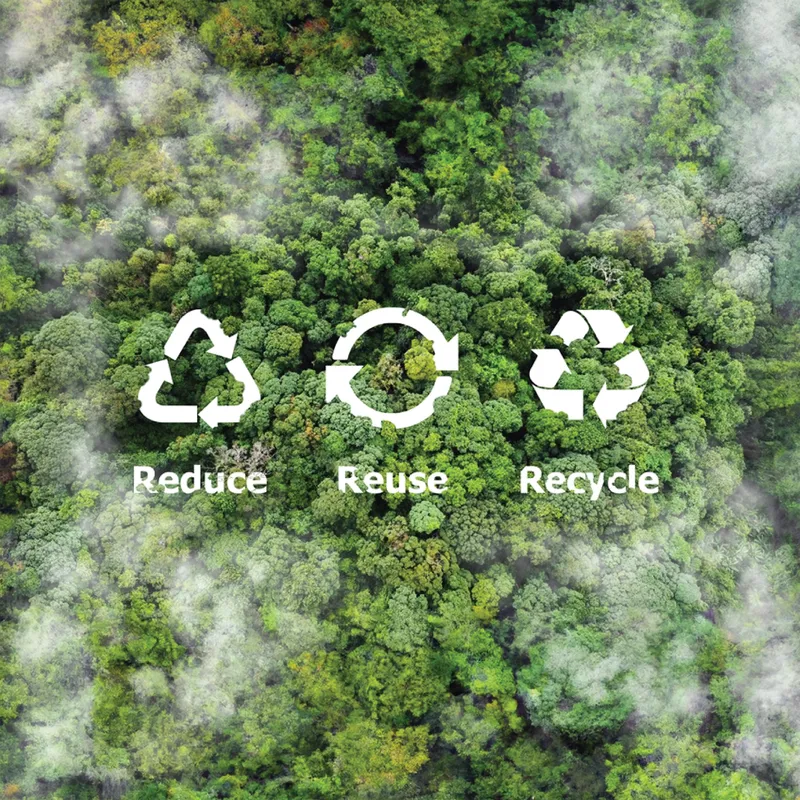
- Sustainable choices: Conserve energy, reduce consumption, reuse and repair items, and recycle whenever possible. These actions collectively reduce pollution and promote cleaner air.
Here are some questions you can ask yourself to promote sustainable choices:
Do I need to buy this new item, or can I find it second-hand?
Can I repair or repurpose something I own instead of throwing it away?
Who might need these items I no longer need or use?
Which of my appliances are energy-efficient, and how could I make that closer to 100%?
Am I using all the recycling opportunities that I have?
Are there food items that go to waste regularly in my household, and how could I avoid that in the future?
- Educate yourself and others: Consume and share information about air quality and its importance with your community. The more people are aware, the bigger the collective impact on improving air quality.
It could be as simple as watching a nature documentary, starting a discussion about air quality, or reading a book about an interesting environmental issue and then discussing it with others.
You could also be more active and take part in workshops and webinars focused on air quality and sustainable living, use your social media platforms to share information, or collaborate with local schools to help inform the next generation and ensure the air quality at schools is optimal for learning.
If you want to invest in it
If you're willing to invest time or money into making a difference, these actions can significantly contribute to cleaner air.
- Participate in local cleanups: Join community efforts to clean up local areas. Removing litter and pollutants can directly improve air quality and overall environmental health.
You can carry a trash bag during nature walks and pick up litter, join volunteer groups dedicated to regular cleanups, or identify places where cleaning up can have the most significant impact and invest your resources in dealing with that. - Deep clean for indoor air quality: Focus on deep cleaning your home with an emphasis on improving indoor air quality. Our guide to spring cleaning offers valuable tips and tricks.
- Explore EPA’s resources: Dive into the EPA’s resources for Air Quality Awareness Week. We liked it especially because you can test your knowledge on each subject and learn how to implement best practices in your daily life.
- Plant trees or support nature preservation projects: Trees naturally filter the air, so planting them or supporting reforestation projects can have a long-term positive impact on air quality.
Consider supporting verified projects like Eden Reforestation Projects, One Tree Planted, or The Nature Conservancy's Plant a Billion Trees campaign.
For marine environments, you can support efforts like the Mangrove Action Project. Always ensure you are planting native species in suitable locations and following the local guidelines.
- Invest in an indoor air quality monitor: Get yourself an indoor air quality monitor for monitoring basic metrics like temperature and humidity, adding CO2 to the mix, and even tracking ionizing radiation with Aranet indoor air quality monitors. This enables you to stay in control of your indoor environment, helping you address any problems promptly, and ensuring the air you breathe is clean and healthy.
Caring about clean air is not just about some distant goal; it's about what each of us can do right now to make a difference. Whether it's choosing to walk instead of driving or speaking up for cleaner policies in our communities, every action counts. Let's make the air cleaner, our health better, and the future for us and the generations to come brighter, one step at a time.