United States (USA) (English / USD)


December 11, 2024
The Science of Cozy: Understanding IAQ Challenges During Winter
Winter brings unique challenges for indoor air quality (IAQ). As the days get colder, we spend more time indoors, open windows less often, and dive into all the cozy activities that make the season special. Candles, crackling fires, and nonstop cookie baking—we see you!
But beneath all the coziness, we might start feeling sluggish, tired, achy, or irritable. Why? Because winter habits, if left unchecked, can lead to rising humidity, fluctuating temperatures, and elevated CO2 levels. All of this can reduce the overall indoor air quality, affect our comfort, and even have a negative impact on our health.
This holiday season, we’re here to help you understand and address these IAQ challenges with practical tips and insights, so you can fully enjoy the magic of the holiday season without compromising your well-being.
Managing Indoor Humidity In Winter
Managing indoor humidity levels in winter can be especially challenging. Common central heating problems like increased dryness from radiators are commonplace. On the other end of the spectrum, there could be mold formation in cold, drafty corners or excess humidity from cooking the holiday feast. For some, it could be all of those.
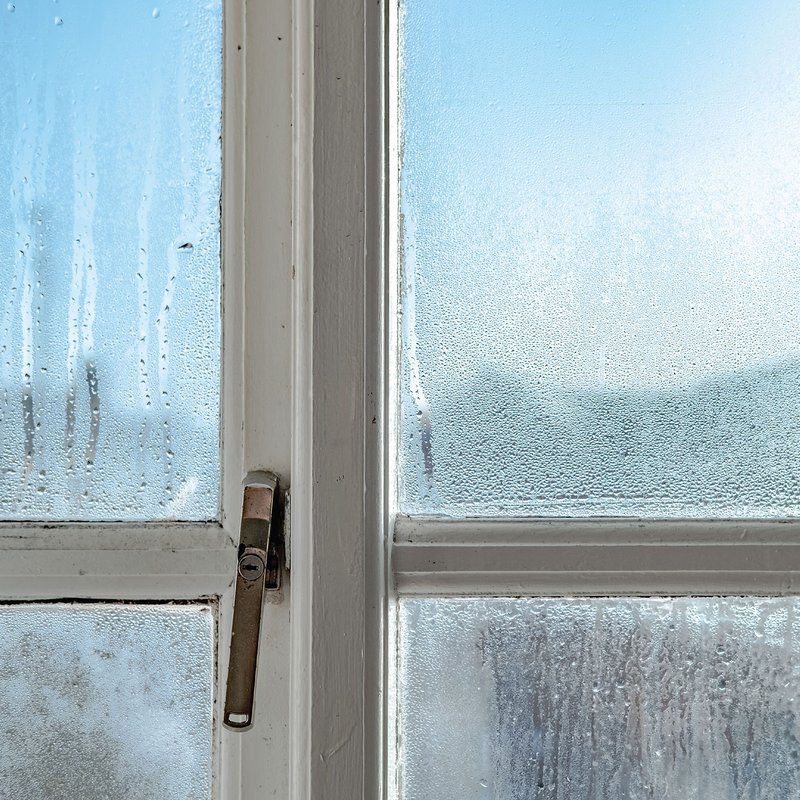
These humidity challenges aren’t just minor inconveniences. If you’re noticing that you have dry skin and your eyes itch, for example, your mucous membranes are probably fighting the same battle too. That persistent winter cold that seems harder to shake off might be the result of the increased dryness from radiators too. Mold growth, even if it only affects drafty corners, can also trigger allergies, respiratory issues, and other health problems. Even holiday cooking, with steam billowing from pots and ovens, can exacerbate the situation because of condensation.
So, what’s the best humidity level for winter indoors? Same as in other seasons, it should stay between 30% and 50% according to the Environmental Protection Agency (EPA). Apart from our subjective discomfort, there’s no easy way to detect these levels on your own, especially to pinpoint problem spots in your living space.
Fortunately, this is where Aranet4 HOME can help. In addition to measuring CO2 levels and temperature, it tracks your home’s humidity in real-time and retrospectively in the Aranet Home app. If you’d like more practical insights into humidity control, delve deeper into our articles about humidity at home and fighting mold!
Avoiding Indoor Temperature Problems in Winter
Wherever you are this winter, we hope you're staying warm and cozy. However, sometimes too much of a good thing can get uncomfortable. Whether it's a full day of holiday feast cooking, a competitive cookie bake-off, or a party that turned out to be way more popular than you expected, this can cause temperature spikes.
Such localized heat buildup is not as dangerous as the overheating caused by climate change during the summer. However, indoor heat spikes can become problematic during the holiday season too. It can cause discomfort, dehydration, and even mild heat-related symptoms for sensitive individuals, such as those with cardiovascular or respiratory conditions. It can also exacerbate humidity issues and accompany the rise of CO2.
Aranet4 HOME can help you stay cozy and healthy during all this activity. When checking your IAQ data, make sure your temperature levels stay between 18 and 24 °C (64 and 75 °F). If you notice a spike in temperature, crack open the window or adjust the heating or ventilation systems. Opening your windows for even 5-10 minutes at a time can make a big difference in how you and your guests feel, and what level of IAQ you’re all enjoying.
Measuring CO2 Levels Indoors
Some of the holiday season scenarios we’ve looked at so far could increase the CO2 levels as well. Intensive cooking and crowded rooms without proper ventilation, for example, can raise those CO2 levels significantly. So can an open fireplace and candlelit shindigs.

Why is that bad? Because excessive CO2 levels can make you feel ill and mentally drained, EPA suggests. You can become tired, sluggish, irritable, and even your cognitive reasoning can seriously decline. Some people also experience physical symptoms like nausea, headaches, and respiratory issues. What’s more, raised CO2 levels indoors can serve as a proxy, indicating a higher likelihood of catching viruses like COVID-19. And we definitely don’t want that for you!
Just as with humidity, it’s unwise to rely on our bodies to detect CO2 levels. People respond differently to increased CO2, and waiting until you experience symptoms can mean overlooking potential short- and long-term health risks.
Using the Aranet4 IAQ monitor can help you with this one too. It’s healthiest to keep the CO2 level under 1000 ppm indoors, and Aranet4 HOME makes this as easy as it gets. Just set the buzzer to warn you when the air gets stale and increase the ventilation or crack open a window when that happens!
Tips from the Aranet Team
At Aranet, we take our indoor air quality seriously. Therefore, we like to continuously improve and expand our product range as well as remind you of the best practices to use them.
How do we use Aranet4 HOME to tackle IAQ challenges during winter?

For immediate reassurance, we look at the numbers on the IAQ monitor to get the gist of the current indoor air quality or set up the buzzer to hear the alert if the IAQ drops.
Those of us keen on a more systemic approach often check the trends in the Aranet4 app to link specific times and circumstances with lower indoor air quality. Office Christmas parties and longer conference meetings, we’re looking at you!
Since each of our team members is a scientist at heart, we love to experiment. We monitor the air quality in different spots at home and have more than 85 IAQ monitors across our workplaces. Sometimes, we even take our Aranet4 HOME on adventures to check the air quality in public spaces we visit!
We also enjoy seeing your experiments in action. Every time we spot you sharing your Aranet4 data from an airport, public transport, or a local cafe, it’s a reminder of a shared community that cares about clean air, healthy spaces, and taking positive action. Here’s to fresh air and cozy moments this holiday season!