India (English)

March 31, 2025
Why Radon Monitoring Matters
Radon is a silent threat lurking in many homes and workplaces. This colorless, odorless, and tasteless radioactive gas is a byproduct of uranium decay, naturally occurring in soil, rock, and water. While invisible, radon poses a very real health risk. According to the U.S. Environmental Protection Agency (EPA), radon is the second leading cause of lung cancer in the United States, responsible for approximately 21,000 deaths annually. Globally, the World Health Organization (WHO) estimates that radon exposure accounts for up to 14% of lung cancer cases. These alarming statistics underscore the importance of understanding, testing, and mitigating radon levels in indoor environments.
January - Radon Action Month
Every January, health organizations spotlight radon risks during National Radon Action Month. Winter provides an ideal time for testing, as homes tend to be sealed tightly against the cold, trapping radon and amplifying its concentration. However, radon awareness and action shouldn’t be confined to January alone. Radon levels can fluctuate due to seasonal changes, weather conditions, and home modifications, meaning vigilance is necessary year-round.
The Health Risks of Radon
Radon exposure doesn’t cause immediate symptoms, which makes it particularly dangerous. Long-term exposure to elevated radon levels damages lung tissues, significantly increasing the risk of lung cancer. Smokers are at even greater risk, as the combined effects of smoking and radon exposure elevate their chances of developing the disease.
The EPA has established a radon action level of 4 picocuries per liter (pCi/L). Prolonged exposure to levels above this threshold necessitates intervention. However, even levels between 2 and 4 pCi/L pose some risk, and homeowners are encouraged to reduce radon concentrations as much as possible.
Testing: The First Line of Defense
Testing is the only way to detect radon in your home or workplace. Because radon is undetectable to human senses, specialized equipment is required. There are two main types of tests:
- Short-Term Tests: These measure radon levels over a few days and provide a quick snapshot. While useful for preliminary assessments, they may not capture seasonal variations or long-term trends.
- Long-Term Tests: These tests measure radon levels over several months, offering a more accurate picture of average exposure.
Given radon’s natural fluctuations, a one-time test may not provide sufficient data to assess risk accurately. Continuous monitoring offers the best way to track radon levels over time and respond to changes promptly.
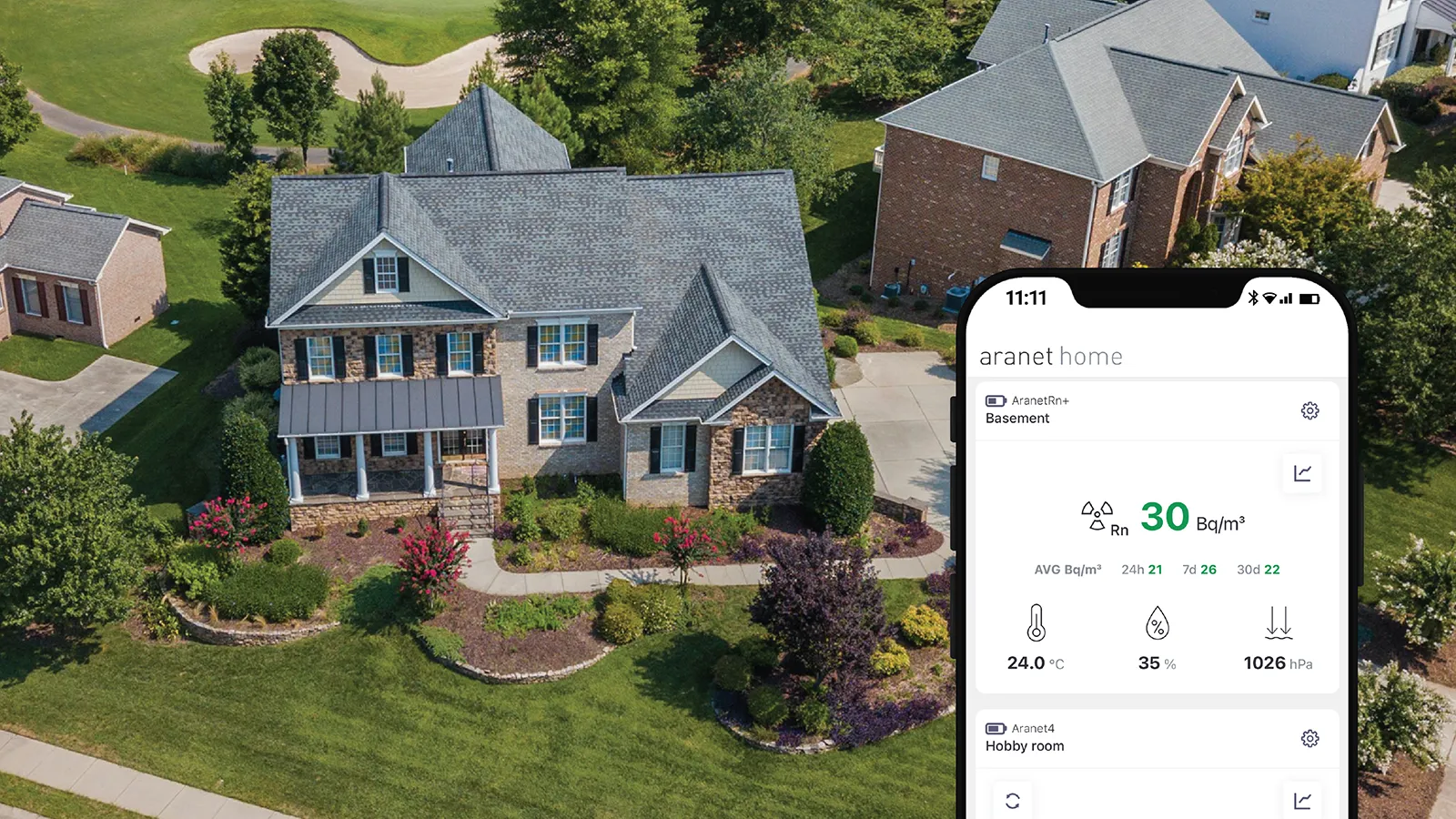
Aranet provides the perfect combined solution for radon monitoring. Aranet Radon Plus sensor delivers fast, reliable results, giving you your first accurate reading within just one hour. The device updates measurements every 10 minutes, ensuring you’re always informed about your indoor radon levels. For deeper insights, it calculates and displays a 30-day average, and with the Aranet Home app, you can access an even longer history of your radon data.

This sensor is ideal for a variety of users. For those who love to dig into details and analyze data, Aranet Radon Plus offers tracking and insights. For others who simply want to ensure their home is safe, the device is equally user-friendly. The radon level is displayed on the screen, with safety levels clearly color-coded for quick understanding. A glance is all it takes to know if your home’s radon levels are within safe limits.
Radon Awareness is a Year-Round Responsibility
While National Radon Action Month serves as an excellent reminder, the risks of radon persist all year long. Protecting yourself and your loved ones requires ongoing attention to radon levels. Here’s how you can stay proactive:
- Test Regularly: Perform at least one long-term test or invest in continuous monitoring to track radon fluctuations.
- Take Action Promptly: If levels exceed 4 pCi/L, contact a certified radon mitigation professional.
- Monitor After Changes: Test your home after major renovations or changes to ventilation systems.

Investing in continuous radon monitoring isn’t just about peace of mind—it’s about safeguarding your health and the health of your family. By embracing radon awareness and monitoring as year-round priorities, you can reduce health risks and enjoy cleaner, safer air. Remember, radon may be invisible, but its impact is not. Take action today for a healthier tomorrow.